
How to Look Natural in Professional Photos If You Hate Being Photographed
If you hate having your photograph taken, you are definitely not alone. Many successful female founders feel confident running a business, speaking to clients or presenting to a room, then suddenly feel awkward the moment a camera appears. The good news is that looking natural in photographs is not about being naturally photogenic. It is usually about guidance, preparation and understanding how the camera sees you.
Why do I feel awkward in front of a camera?
Most people are not used to being watched while they stand still. The moment a camera appears, you may become hyper-aware of: Your hands Your smile Your posture Where you are looking Whether you are standing correctly What your face is doing That self-consciousness can make you tense. A good photographer should take that responsibility away from you.
Do I need to know how to pose?
No. You should not have to arrive at a professional photoshoot knowing what to do with your body. I guide clients through: Posture Hand placement Body angle Chin position Eye line Expression Movement Interaction with the environment Small adjustments can make a significant difference to how natural and confident you look.
Why do I sometimes dislike photographs of myself?
One reason is familiarity. You are used to seeing yourself in a mirror, which shows a reversed version of your face. A photograph shows you differently. Lighting, lens choice, camera angle and expression can also influence how you perceive yourself. My interest in this psychology is the subject of my TEDx talk, “The Secret to Looking Good in Photos.” Understanding these factors helps me guide clients in a way that feels natural rather than forcing them into generic poses. How can I look more natural in professional photos? Movement helps. Instead of holding one rigid position, I may ask you to walk, adjust your jacket, turn towards the light, interact with something in the environment or shift your weight. This creates small changes in posture and expression that often feel much more natural. The strongest images often happen between the obvious poses.
What should I do with my hands?
This is probably one of the most common questions I hear. You do not need to invent something to do with them. Depending on the image, you might: Rest one hand lightly in a pocket Hold a jacket Touch a piece of jewellery Hold a notebook or laptop Place your hands gently together Interact with something in the environment The aim is to give your hands a purpose without making the pose feel staged.
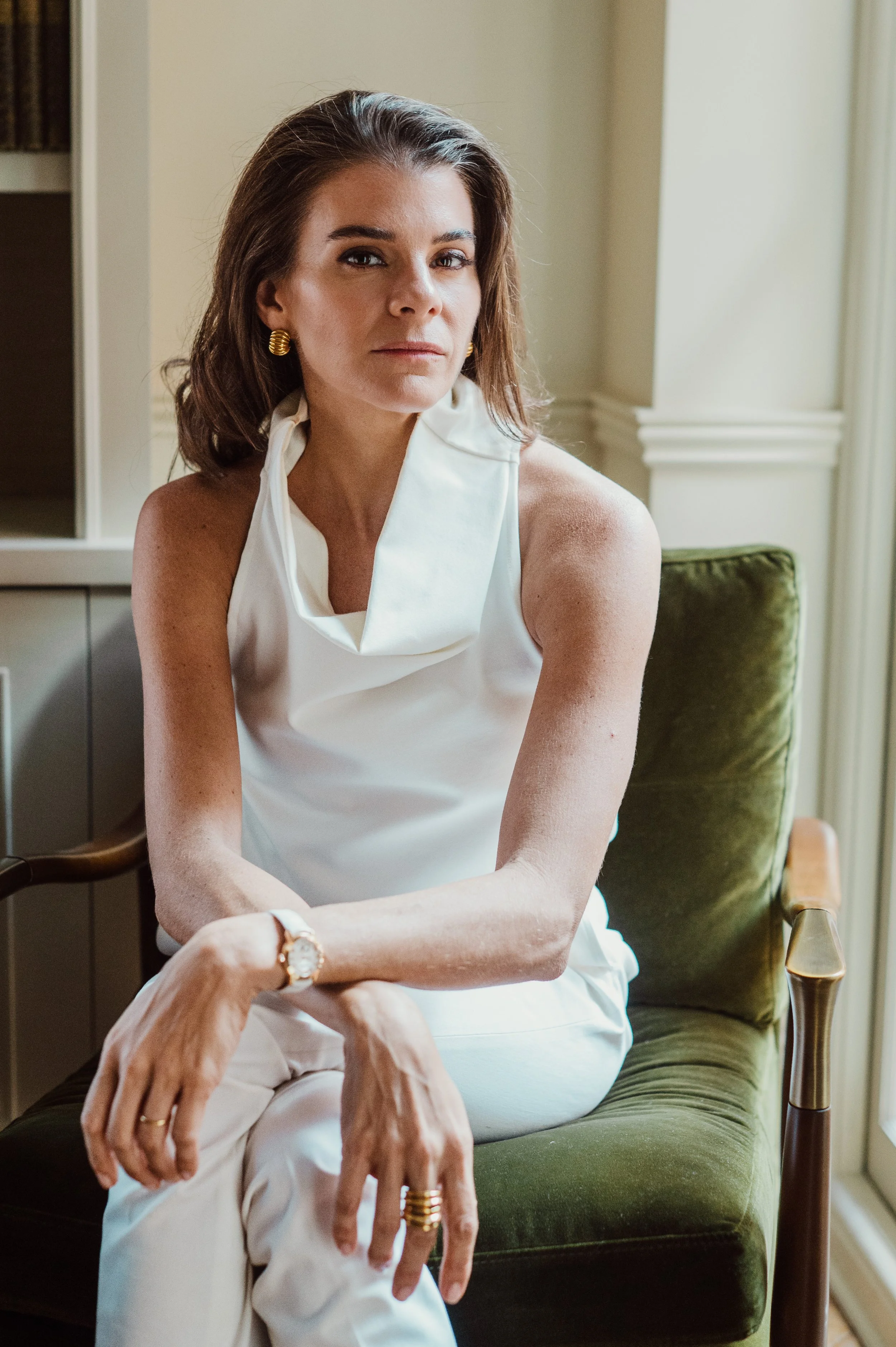
Should I smile in every photograph?
No. A strong personal branding shoot should give you a range of expressions. You may need: Warm and approachable Confident and authoritative Thoughtful Relaxed Energetic Calm Direct Different expressions suit different parts of your business. A LinkedIn headshot may need a different feeling from a photograph used for a keynote speaker page or press interview.
What should I wear if I want to feel confident?
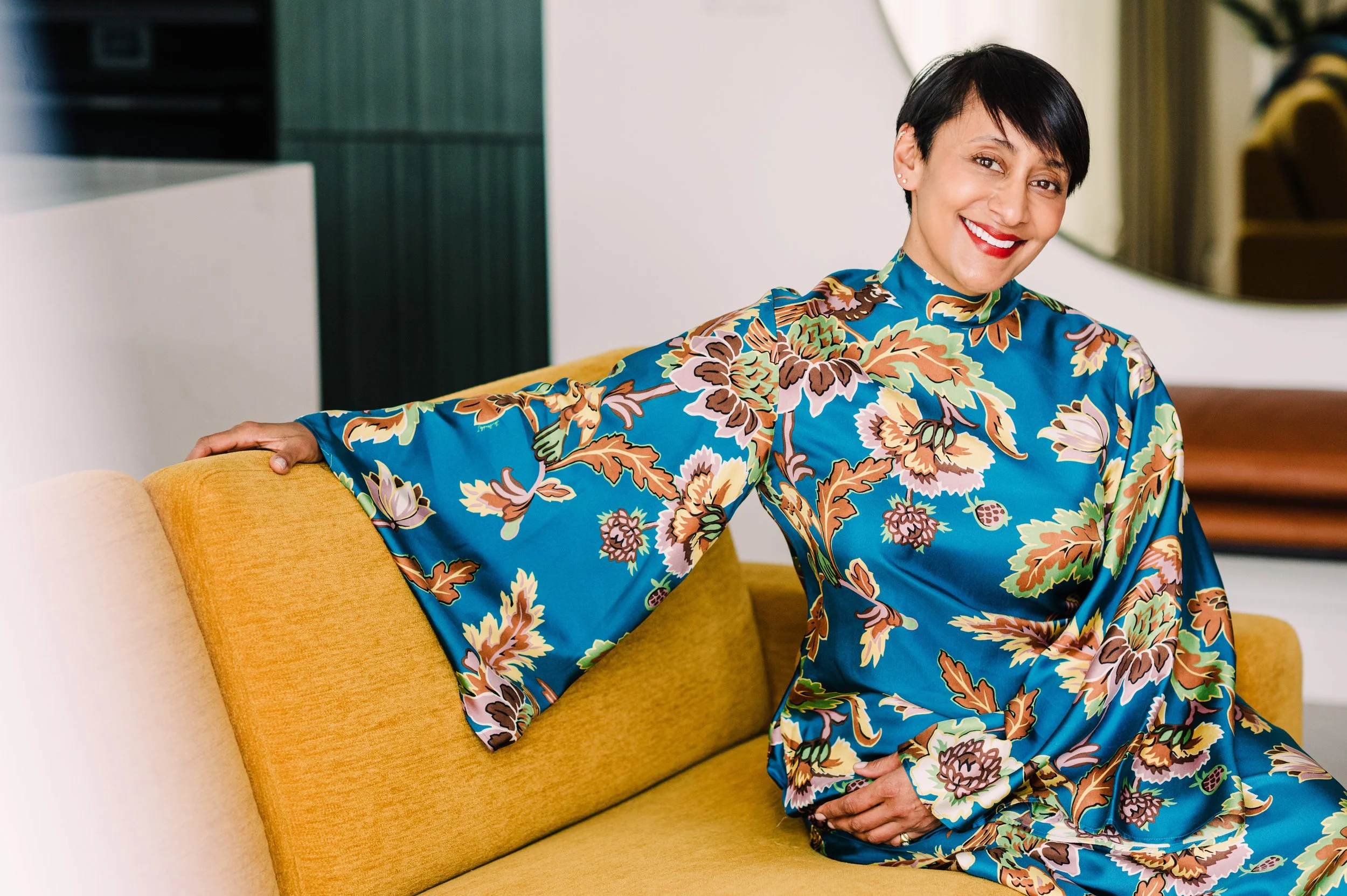
Wear clothes that feel like you on a good day. A branding shoot is usually not the best time to become a completely different person. Choose clothing that reflects how you want clients to perceive you, while still feeling comfortable and believable. I normally discuss clothing before the shoot so we can make sure your outfits work with your brand, location and the images you need.
Does location make a difference?
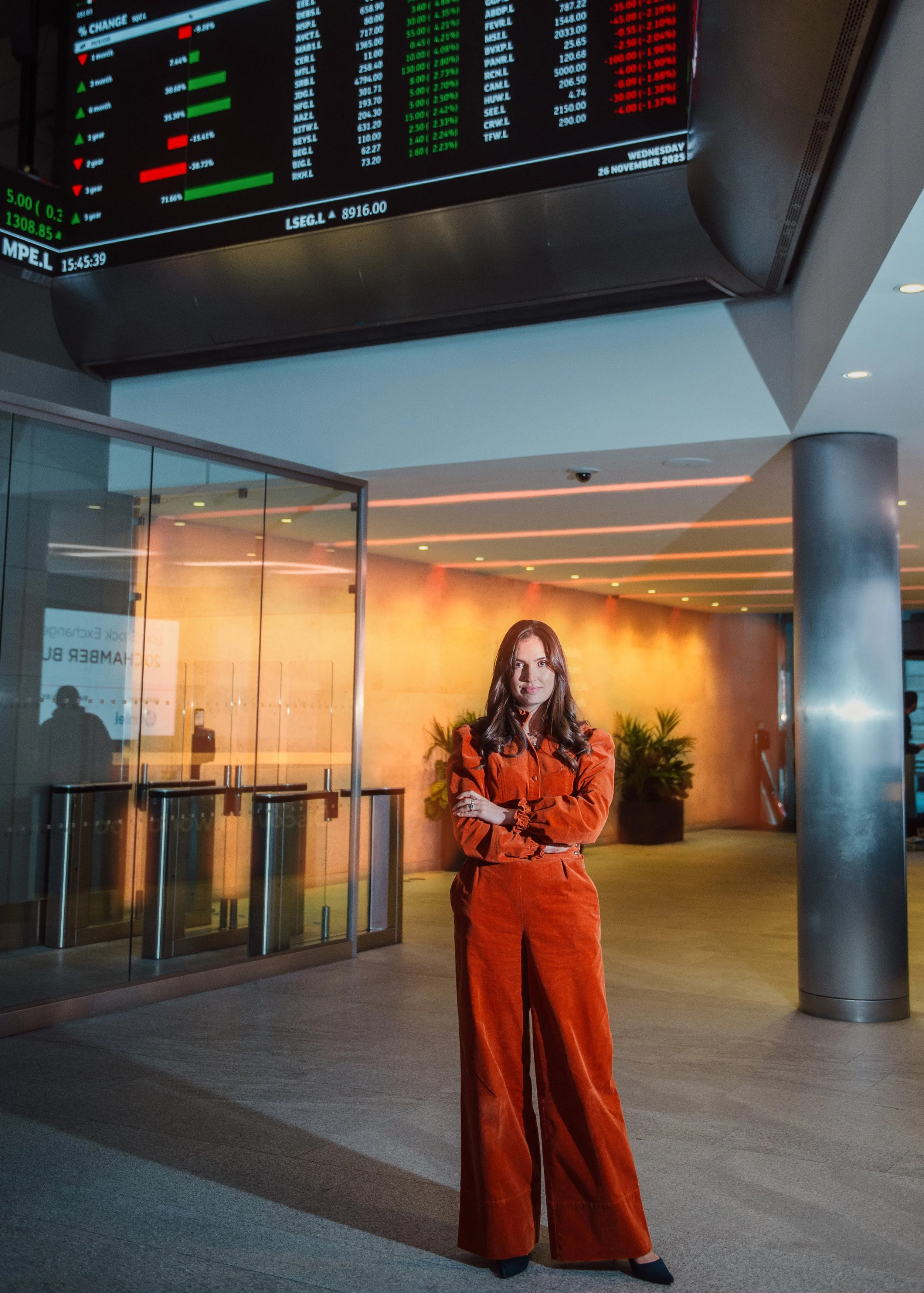
Yes. People often feel more comfortable when the environment gives them something to interact with. Instead of standing against a blank wall for every image, we can use a workspace, architectural setting, café, street or other environment connected to your brand. The setting also helps communicate your story.
What if I am very camera-shy?
Tell your photographer. You do not need to pretend you love being photographed. If I know you feel uncomfortable, I can structure the shoot accordingly and give you more direction. Many of my clients begin the session telling me they hate photographs of themselves. The aim is not to turn you into someone who loves posing. It is to create an environment where you stop thinking so much about the camera. What should I look for when choosing a photographer if I hate photos? Do not judge purely by the portfolio. Ask: Do they guide posing? Do they work with camera-shy clients? Do they offer a consultation first? Do they help with clothing and location? Does their work look natural? Do their clients look like themselves? Can they explain how they help people relax? The experience matters just as much as the final image.
How can emotional memory help you look more natural in photographs?
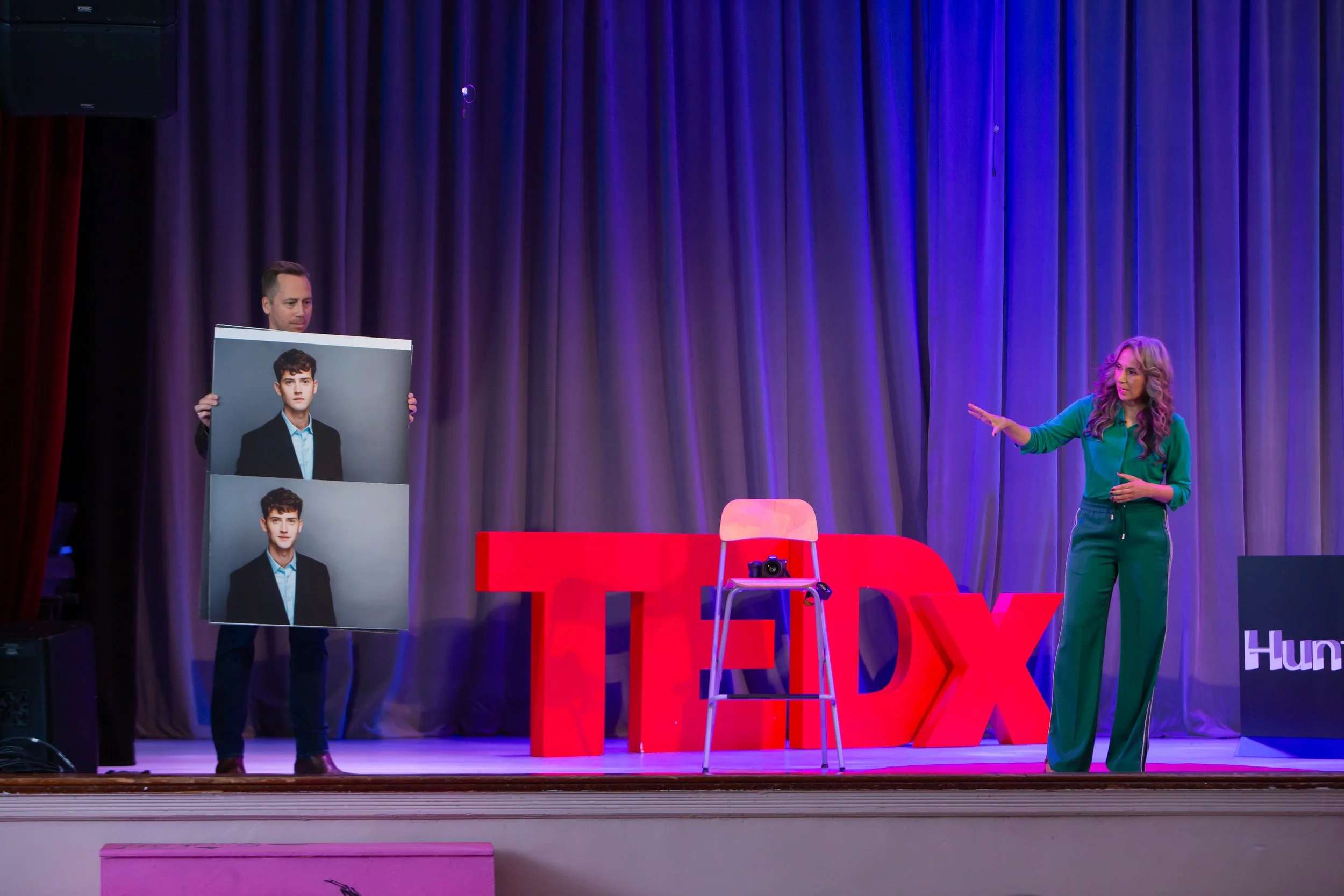
One of the techniques I use is what I call emotional memory. Instead of asking you to “smile” on command, I may ask you to think about a person, place or moment that genuinely makes you feel something — warmth, pride, confidence, amusement or calm. The idea is simple: real emotion changes the face. When you connect with a genuine memory, your expression tends to soften, your eyes become more engaged and the photograph feels more natural because you are not performing for the camera. This approach is closely connected to the ideas I explore in my TEDx talk, “The Secret to Looking Good in Photos,” where I explain why expression, psychology and how we feel in front of the camera can have such a strong impact on the final image.
Can professional photos still look polished if they are natural?
Absolutely. Natural does not mean casual or unplanned. Some of the most polished photographs look effortless because the preparation happened before the shutter was pressed. My own style combines natural expression with a polished, editorial finish. The aim is to make you look confident, professional and recognisably yourself.
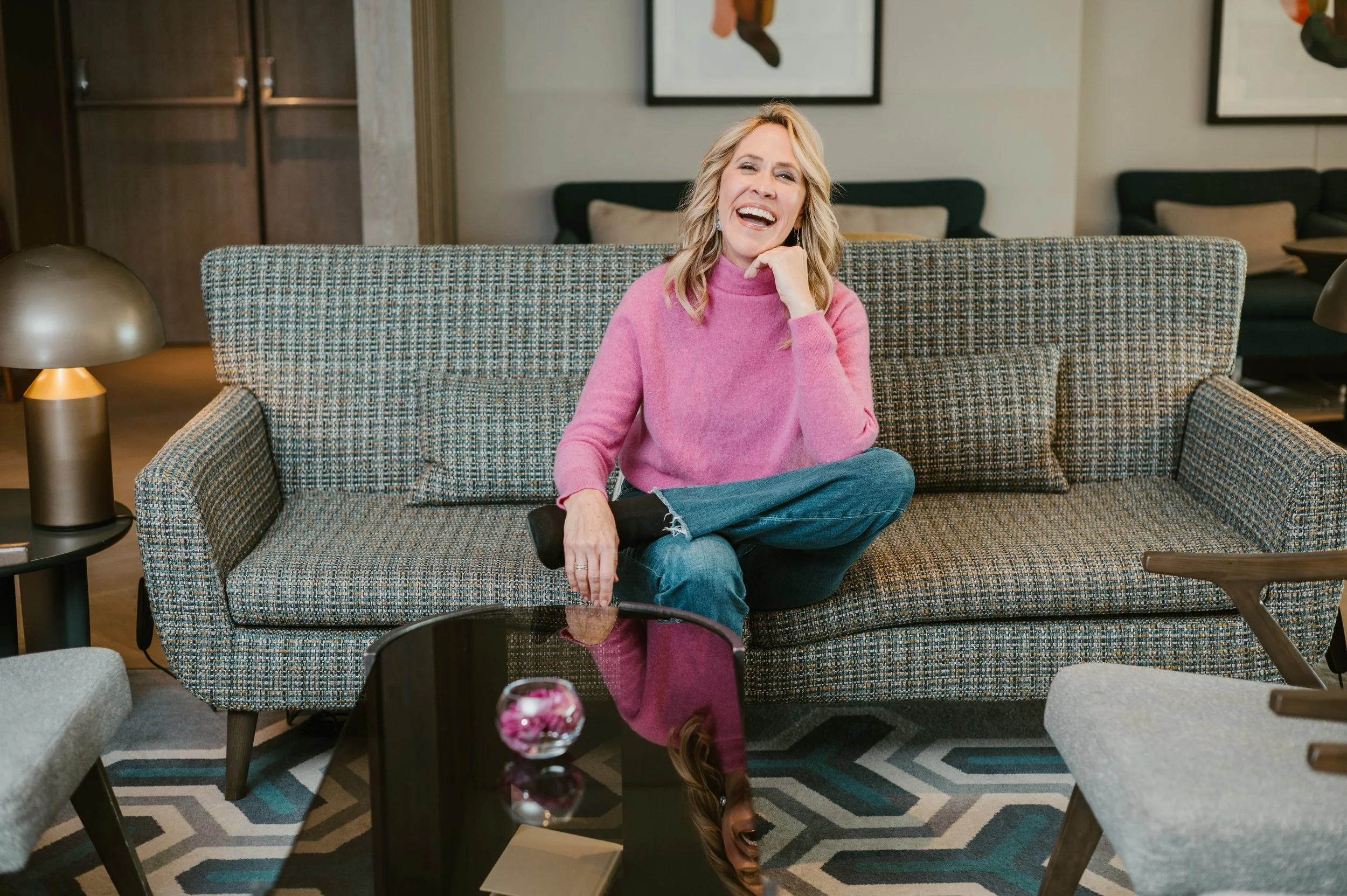
What happens during one of my shoots?
Before the shoot, we discuss your brand, audience, clothing, locations and how you intend to use the photographs. During the session, I guide you continuously. You will not be left standing in front of the camera wondering what to do. We work through different expressions, body positions, environments and outfits so you end up with a varied library of images rather than one repetitive pose.
What is the secret to looking good in photographs?
It is not about having the perfect face or knowing your “good side.” It is about understanding light, angles, body language, expression and how a person feels in front of the camera. The photographer’s job is to bring those things together. I’m Razia Jukes, a London Headshot & Personal Branding Photographer helping female founders become the face of their brand. My work combines strategic brand storytelling, expert posing guidance, psychology and polished editorial photography, particularly for founders who want to look confident and natural without feeling overly posed.