
AI Headshots vs Professional Headshots: Which Is Better?
AI headshots have become incredibly convincing. Upload a handful of photographs and, within a short space of time, you can have dozens of polished, professional-looking portraits of yourself without ever stepping in front of a photographer.
As a personal branding and headshot photographer, I actually find this technology exciting. I don't think AI photography is something we need to be frightened of. In fact, I think it could become a really useful way of extending what we can create from a professional branding shoot.
But there is an important difference between an image that looks polished, an image that looks professional, and an image that makes somebody trust you.
And if you are the face of your business, that difference really matters.
AI headshots vs professional photography at a glance
| AI headshots | Professional photographer | |
|---|---|---|
| Cost | Usually lower | Higher investment |
| Speed | Often very fast | Requires time for a shoot and editing |
| Convenience | Can be created from existing photographs | Requires a photography session |
| Accuracy | Can subtly change your appearance | Captures what you actually look like |
| Expression | Generated by AI | Captured from a real human response |
| Connection | Simulated | Created in the moment |
| Trust | Depends heavily on how realistic the image feels | Built around authentic expression and presence |
| Variety | Potentially enormous | Created intentionally during the shoot |
| Best for | Speed, budget and experimentation | Personal branding, PR, speaking, websites and trust-led businesses |
Do AI headshots actually look like you?
This is where things get interesting.
The technology has improved enormously. The problem with AI headshots is no longer necessarily that they look obviously fake.
Sometimes the problem is that they look almost like you.
Your eyes might be slightly different. Your jawline may have changed. Your skin can be unnaturally perfect. Your smile might be similar to your smile, but not quite your smile.
Individually, these differences can be tiny.
Together, they can create a slightly strange version of you.
You might look fantastic.
You just might not feel that you look like you.
And that matters because ultimately you have to want to use the photograph.
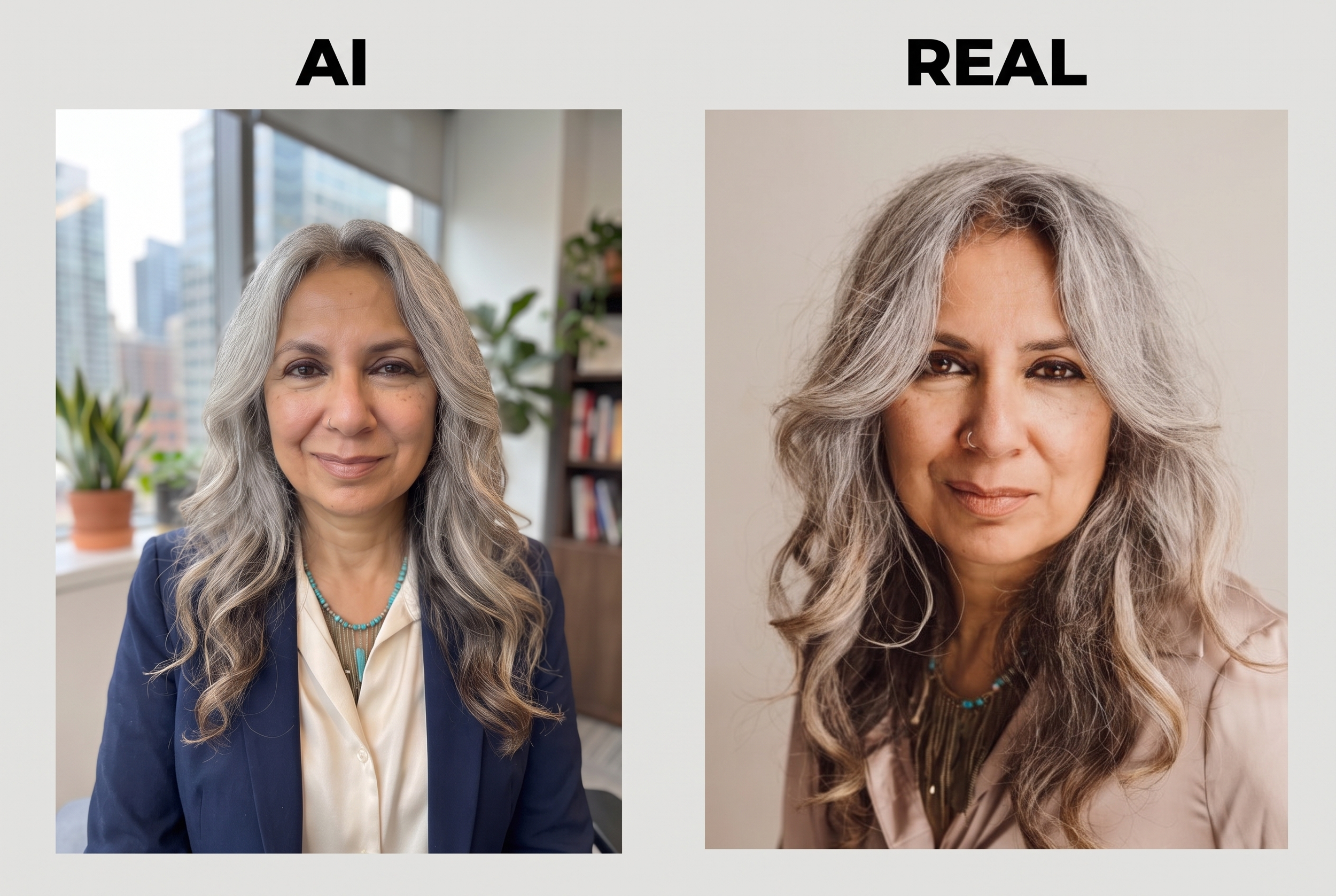
I've photographed many people who are uncomfortable having their picture taken. One of the things I've learnt is that most people aren't simply looking for the most attractive possible version of themselves.
They are looking for an image in which they recognise themselves at their best.
There's an important difference.
Polished doesn't necessarily mean trustworthy
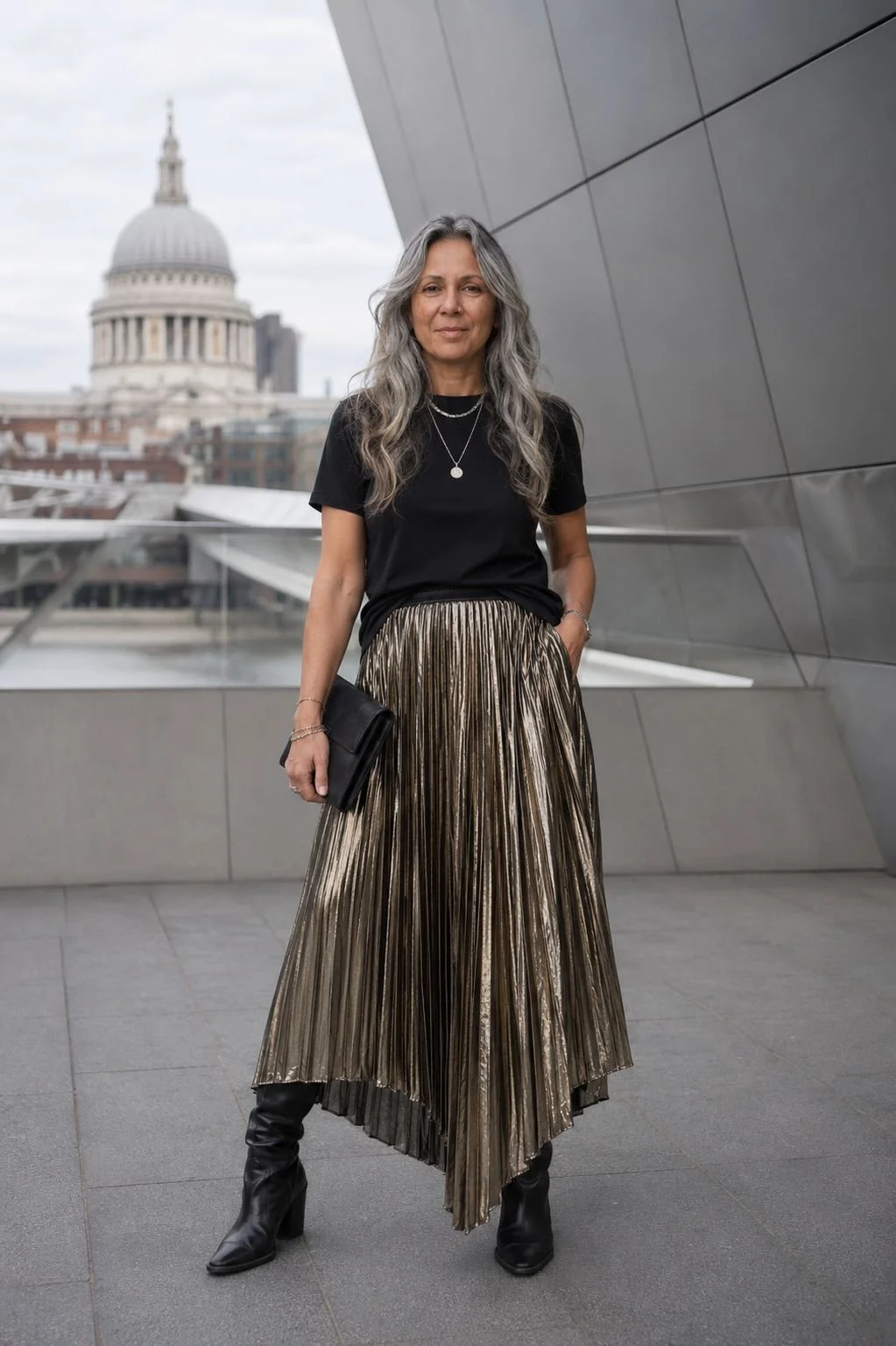
Ai generated image
AI is extraordinarily good at creating polish.
Perfect lighting. Beautiful skin. Immaculate clothes. An impressive office. A confident expression.
But when you're creating photographs for a personal brand, polish isn't necessarily the ultimate goal.
Connection is.
Think about why somebody is looking at your photograph in the first place.
Perhaps they're deciding whether to work with you.
They may be about to spend thousands of pounds with your business. They might be considering inviting you onto a stage, commissioning you, interviewing you, investing in you or trusting you with something important.
Before they've read every word on your website, they're already making tiny judgements.
Do I like this person?
Do they feel approachable?
Do they seem confident?
Do I believe them?
Could I trust them?
That's an enormous amount of work for one photograph to do.
A perfectly polished image isn't automatically a photograph that creates that feeling.
Why the eyes matter
This is something I've spent years thinking about as a photographer.
I believe one of the most important elements of a great portrait is the connection we see through the eyes.
When I photograph someone, I don't simply want them to perform a smile for my camera.
I'm looking for something real.
One of the techniques I use is emotional memory. Rather than simply telling someone to look happy, confident or relaxed, I help them connect with a genuine memory, thought or feeling that produces that emotion naturally.
Something changes.
The mouth changes.
The muscles around the eyes change.
The person's energy changes.
And suddenly I'm no longer photographing someone trying to look confident.
I'm photographing a moment in which they genuinely feel it.
I talked about this approach in my TEDx talk, The Secret to Looking Good in Photos, because I believe the way we feel when a photograph is taken affects what the viewer eventually sees.
This is one of the areas where I think there is still an important distinction between AI-generated portraits and photographing a real person.
AI can generate an expression.
A photographer can create the conditions for a real emotional response and capture the moment it happens.
Are AI headshots bad for personal branding?
Not necessarily.
I don't think the question should be:
“Are AI headshots good or bad?”
A better question is:
“What job does this photograph need to do?”
If you need an inexpensive professional-looking image quickly, AI headshots can make a lot of sense.
They can also be brilliant for experimentation.
You can explore different clothing, backgrounds, environments and visual ideas without organising multiple shoots.
But if you're building a personal brand around you, authenticity becomes much more important.
Your clients aren't ultimately going to meet the AI version of you.
They're going to meet you.
That's why I think founders in particular should be careful about creating an online version of themselves that becomes too perfected.
Your photographs shouldn't create disappointment when somebody meets you.
Ideally, the opposite happens.
They should think:
“That's exactly the person I thought I was going to meet.”
Professional headshots or personal branding photography?
There's another distinction worth making.
A traditional professional headshot is usually designed to give you one or two excellent portraits for LinkedIn, your company website, press or professional profiles.
Personal branding photography has a different job.
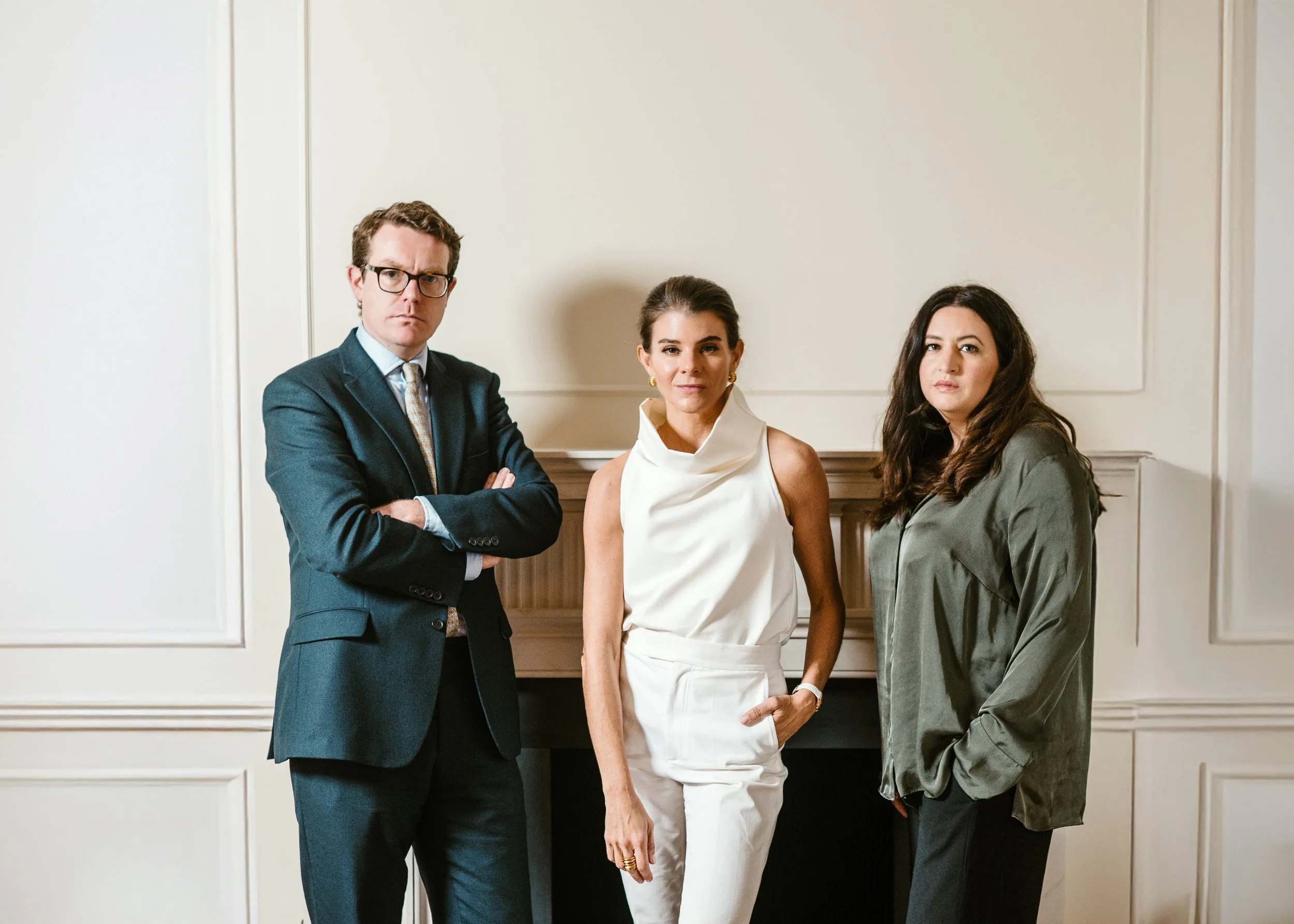
We're creating a visual library around you and your business.
That might include portraits, working images, environmental photographs, details, different outfits, different expressions and images with space for website text or social content.
If you're a founder who is becoming the face of your brand, you often need considerably more than one perfect headshot.
You need enough imagery to tell your story consistently.
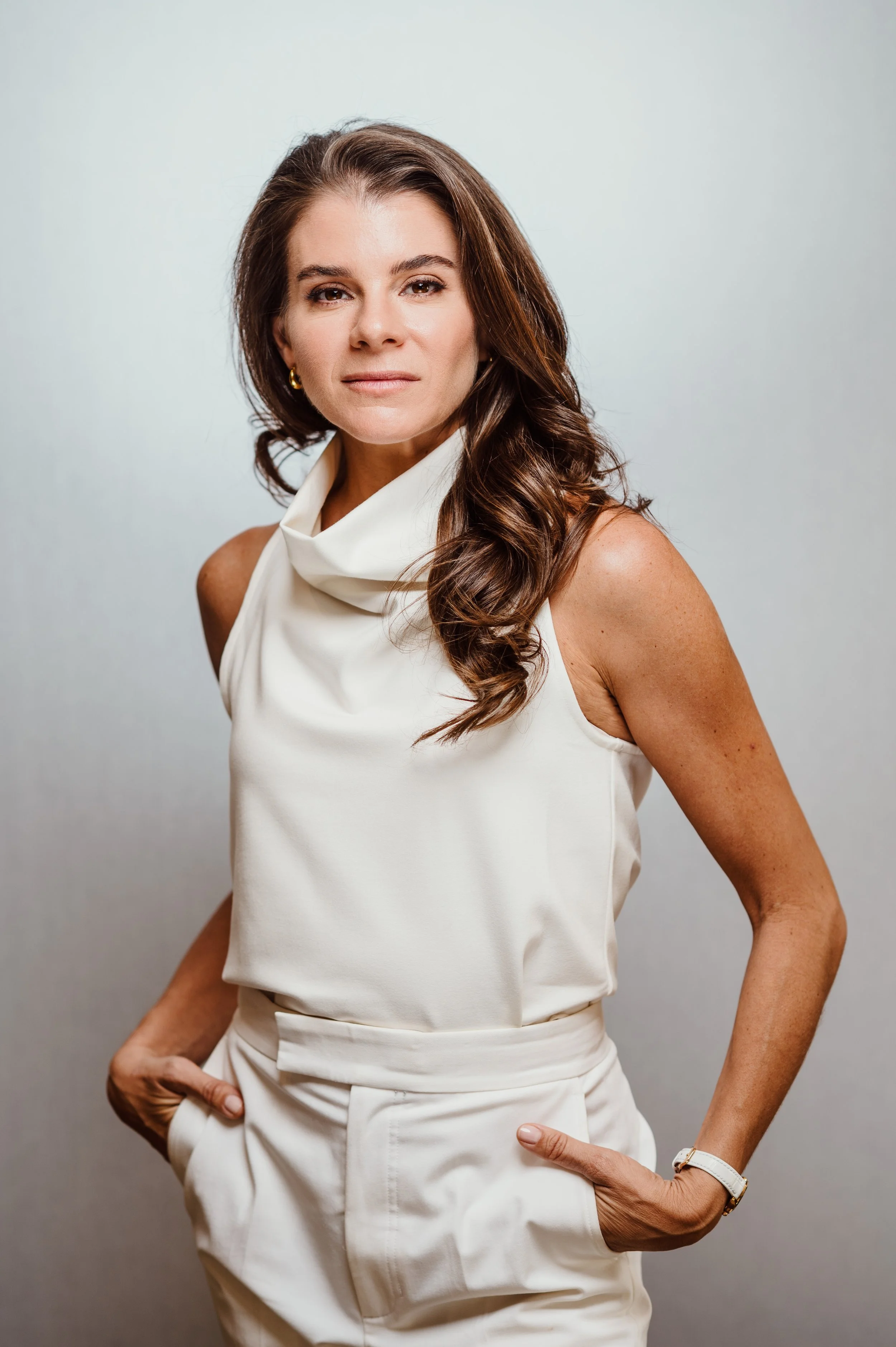
What about combining real photography with AI?
This is the part I find particularly exciting.
I don't necessarily see the future as:
AI versus photographers.
I think it could be:
photography + AI.
Imagine beginning with a real personal branding shoot.
We establish how you actually look when you're relaxed, engaged and confident.
We capture your genuine expressions.
We create the hero photographs that represent you.
And then, where appropriate, AI can potentially help extend that visual world.
Perhaps we explore additional creative concepts, environments or variations that would have been impractical to produce during the original shoot.
The difference is that we aren't asking AI to invent your personal brand from a handful of random selfies.
We're beginning with you.
Your face.
Your expressions.
Your personality.
Your brand.
And then using technology creatively around that foundation.
For me, that's a much more interesting direction.
So, are AI headshots or professional headshots better?
It depends on what you need.
If your priority is speed, affordability and convenience, AI headshots can be an excellent option.
If your photograph simply needs to look polished and professional, AI may be perfectly adequate.
But if you're a founder, entrepreneur or expert whose business depends upon connection, credibility and trust, I still believe there is enormous value in being photographed by another human being.
Because a great portrait isn't simply about what you look like.
It's about what somebody feels when they look at you.
AI is becoming remarkably good at generating faces.
But connection is something different.
And when your face is part of your brand, that connection may be the most important part of the photograph.