
Brand Activation vs Live Event: Which Is Better for Marketing?
If you are deciding between a brand activation and a live event, the right choice depends on what you want people to do, feel and remember.
A brand activation is usually designed around direct interaction with a product, campaign or brand idea. A live event is broader and may focus on community, networking, education, entertainment, launch activity or relationship-building.
Both can generate valuable marketing content, but they do it in different ways.
What is a brand activation?
A brand activation is an experience designed to bring a brand, product or campaign to life and encourage people to interact with it.
That interaction might take the form of a pop-up, product demonstration, installation, immersive experience, sampling event, creator event or experiential campaign.
The purpose is usually not simply to gather people in one place. It is to create a memorable brand experience that people can participate in, photograph, talk about and share.
For marketing teams, a successful activation can create content around:
• people interacting with the product or experience • branded installations and environments • customer reactions • creators, ambassadors or guests • product details • campaign messaging • social-first moments • hero images for PR and marketing
This is where photography becomes part of the campaign itself rather than simply a record of the event.
What is a live event?
A live event brings people together around a shared purpose, which might be networking, education, entertainment, celebration, industry conversation or a company milestone.
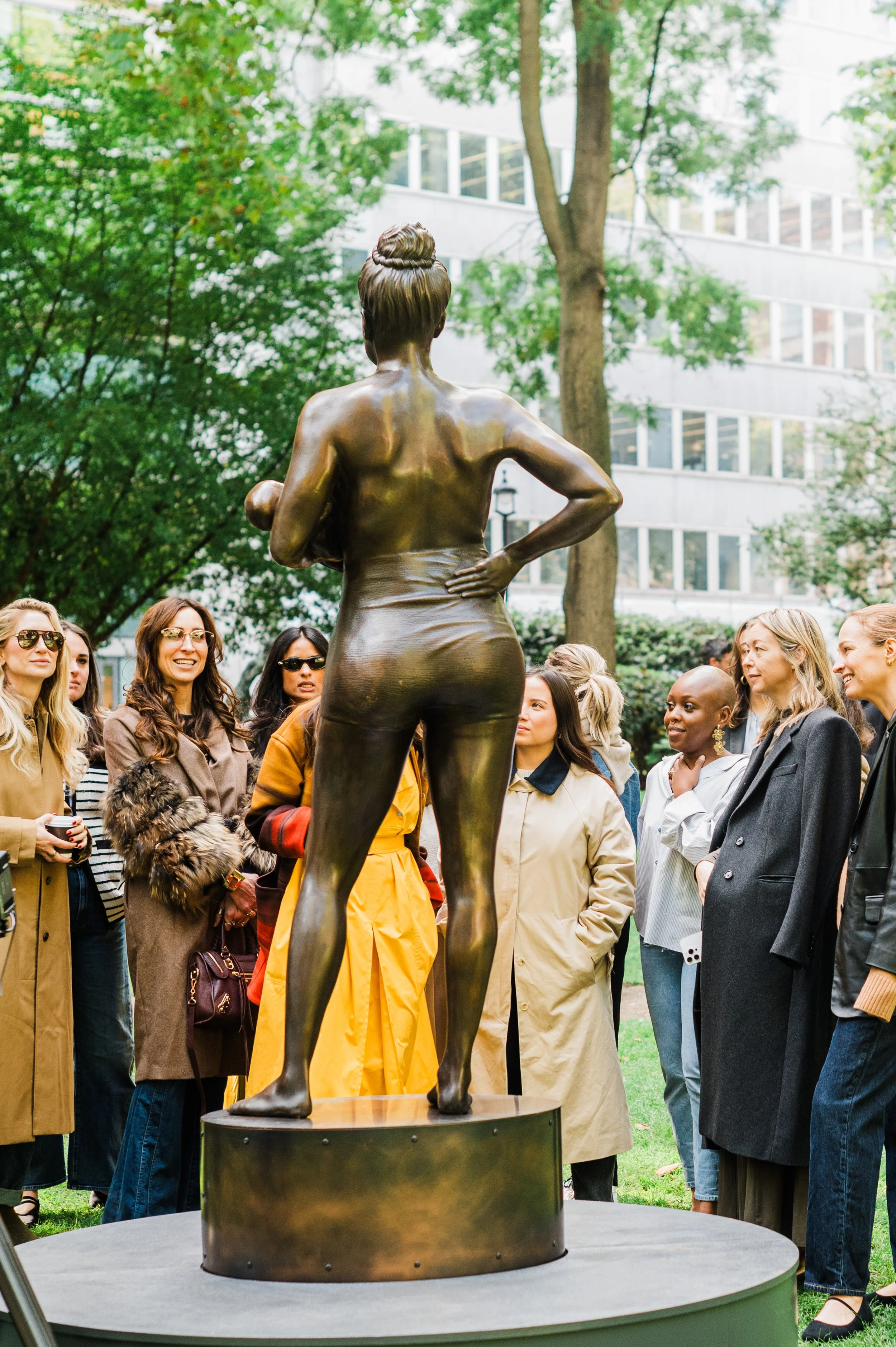
Examples include conferences, networking events, panel discussions, client receptions, annual events, awards evenings, launches and corporate gatherings.
The marketing value often comes from showing the people, energy and credibility surrounding the event.
Strong live-event photography can capture:
• speakers and panels • audience reactions • networking and conversations • key guests • sponsor branding • venue atmosphere • entertainment • team interaction • important moments • the overall scale and energy of the event
The photographs can then be used for PR, social media, internal communications, LinkedIn, future event promotion and wider brand marketing.
What is the main difference between a brand activation and a live event?
The biggest difference is usually the role the brand plays within the experience.
In a brand activation, the brand or product is often the experience.
At a live event, the brand may be hosting, sponsoring or facilitating the experience, but the focus can be more heavily on people, speakers, relationships or the event itself.
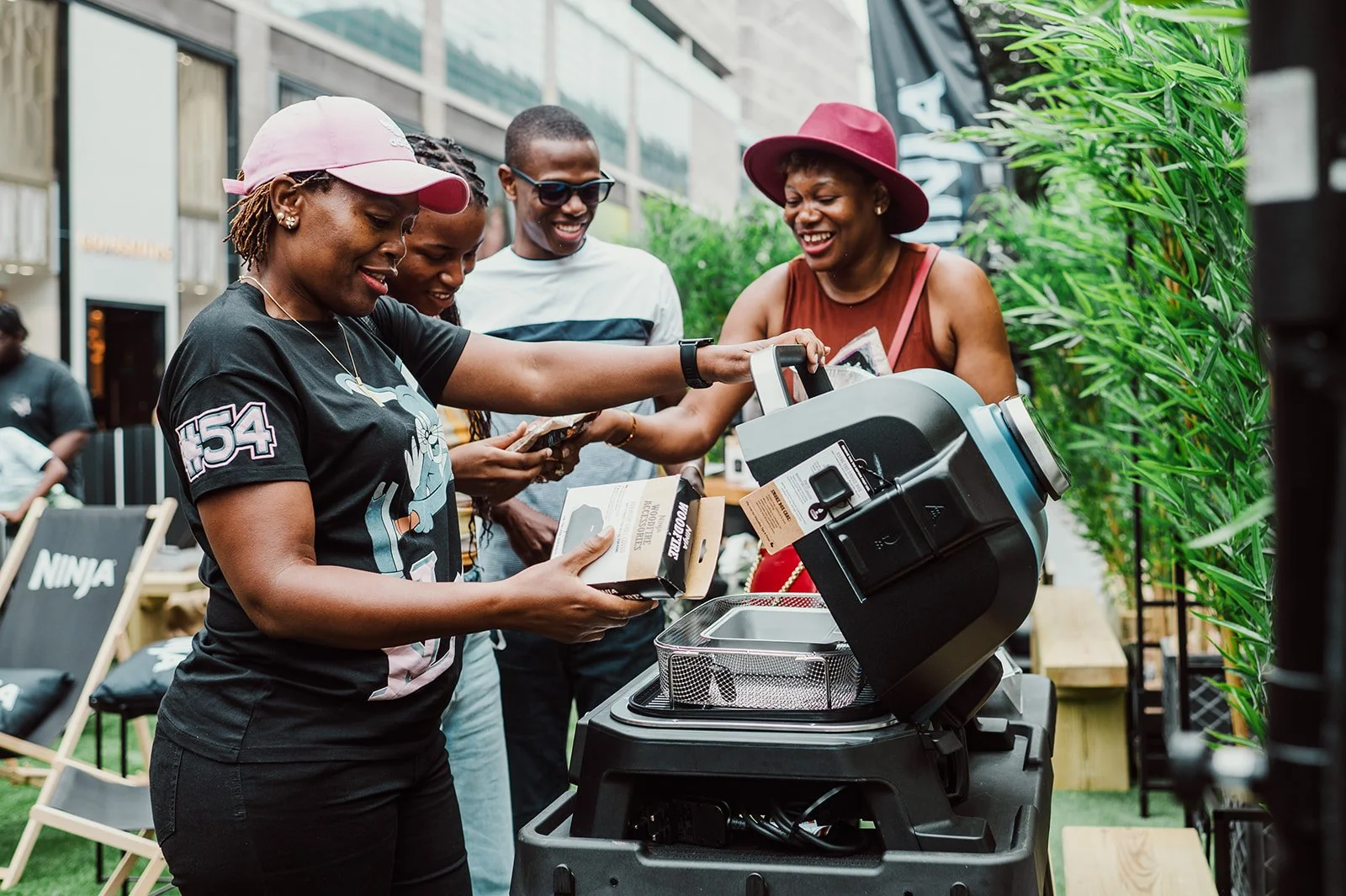
That distinction also changes the way the event should be photographed.
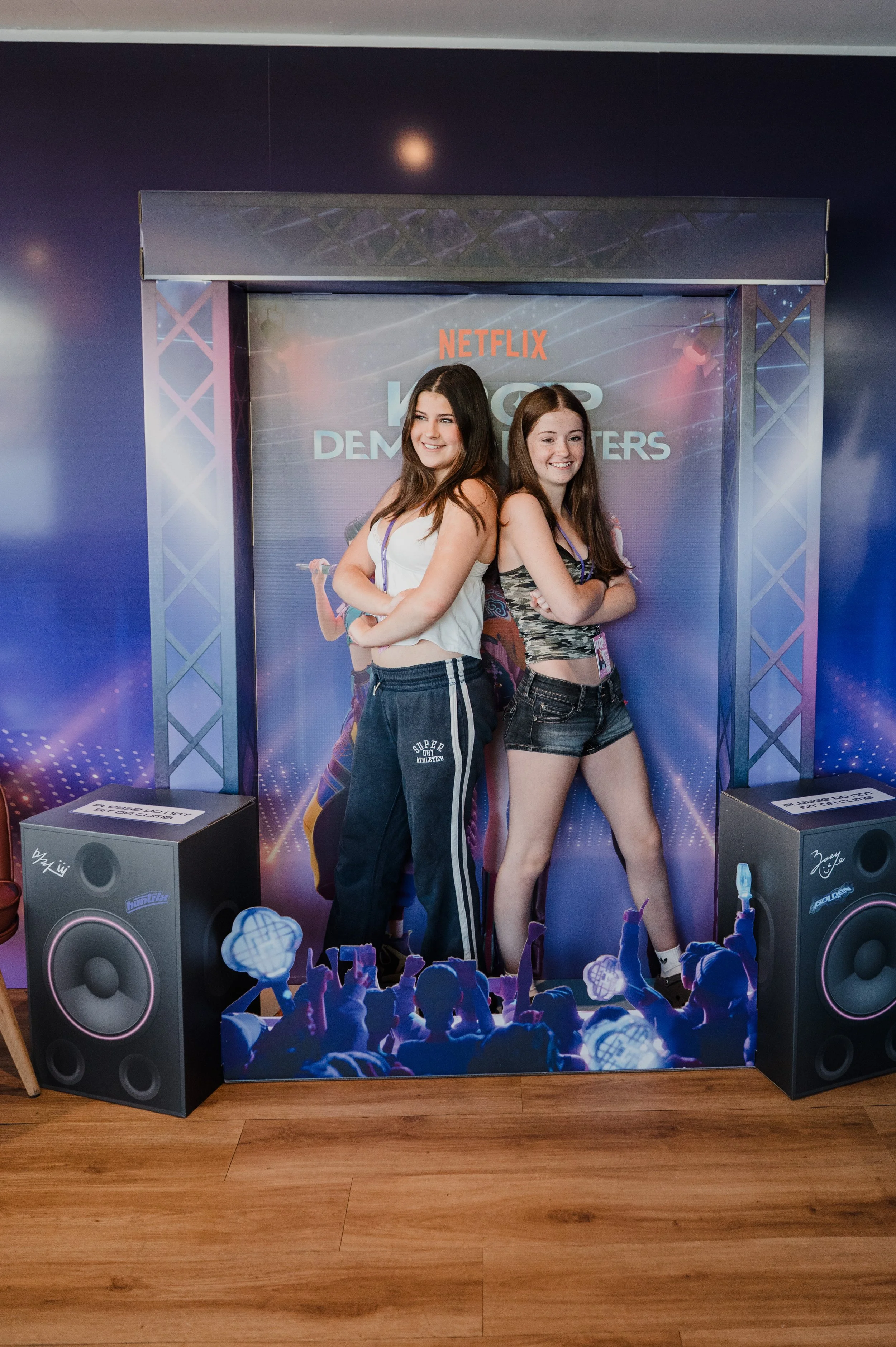
With an activation, the photographer needs to show how people are interacting with the brand.
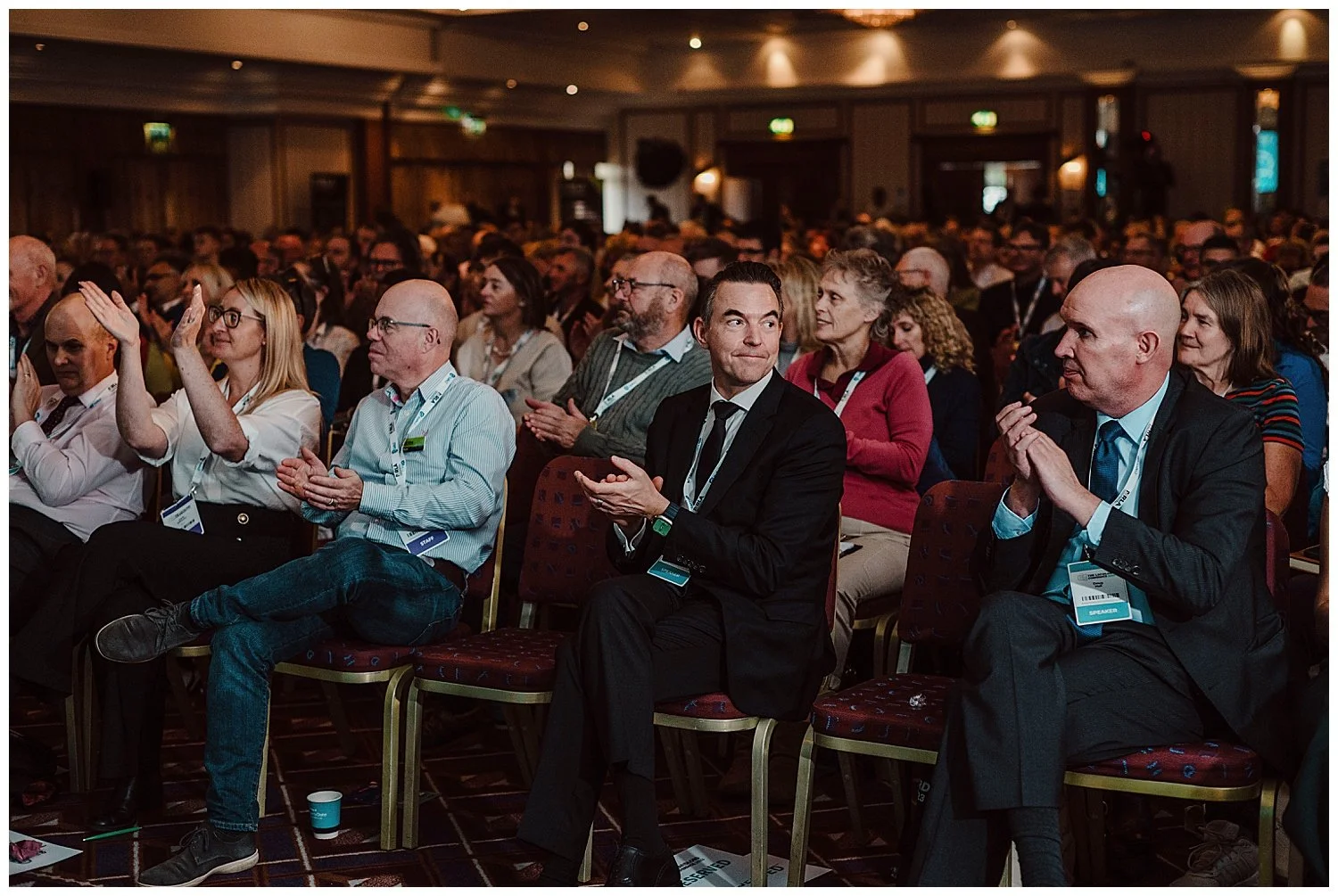
With a corporate or networking event, the priority may be the conversations, speakers, atmosphere and relationships happening in the room.
Which creates better content for social media?
Brand activations are particularly strong for social media when the experience has been designed to be visually engaging and interactive.
Installations, products, colour, branded environments and guest reactions can all produce content that immediately communicates the campaign.
Live events can create equally valuable social content, but often in a different way. They are particularly useful for showing expertise, community, credibility and human connection.
A conference might generate a strong image of a founder speaking on stage.

A networking event might produce photographs of genuine conversations between clients and guests.
An annual industry event might show the scale of a community surrounding a brand.
The best option depends on what your marketing needs to communicate.
Which is better for PR?
Both can work extremely well for PR, but the images need to be planned differently.
A PR-focused brand activation may need a small number of powerful hero images showing the product, campaign, recognisable guests and brand identity clearly.
A live event may need photographs of speakers, senior figures, panels, attendees and important moments that help tell the story of what happened.

If press coverage is important, it is worth agreeing the photography requirements before the event.
That can include:
• which people need to be photographed • which branding needs to appear • whether landscape and portrait formats are required • whether space is needed within images for text or graphics • whether photographs need to be delivered during or immediately after the event
The strongest PR photographs rarely happen by accident.
Which is better for building brand awareness?
A brand activation can be particularly effective when the aim is to make a product, service or campaign memorable.
Because people are actively experiencing the brand, the resulting images can visually demonstrate what the brand does and how people respond to it.

Live events can be stronger when the aim is to build authority, community and relationships.
For example, hosting an industry event, panel discussion or networking evening can position a company as a connector or thought leader within its sector.
The photography then becomes evidence of that positioning.
Is a brand activation more expensive than a live event?
Not necessarily.
The cost of either depends on the scale, venue, production, staffing, creative concept and number of guests.
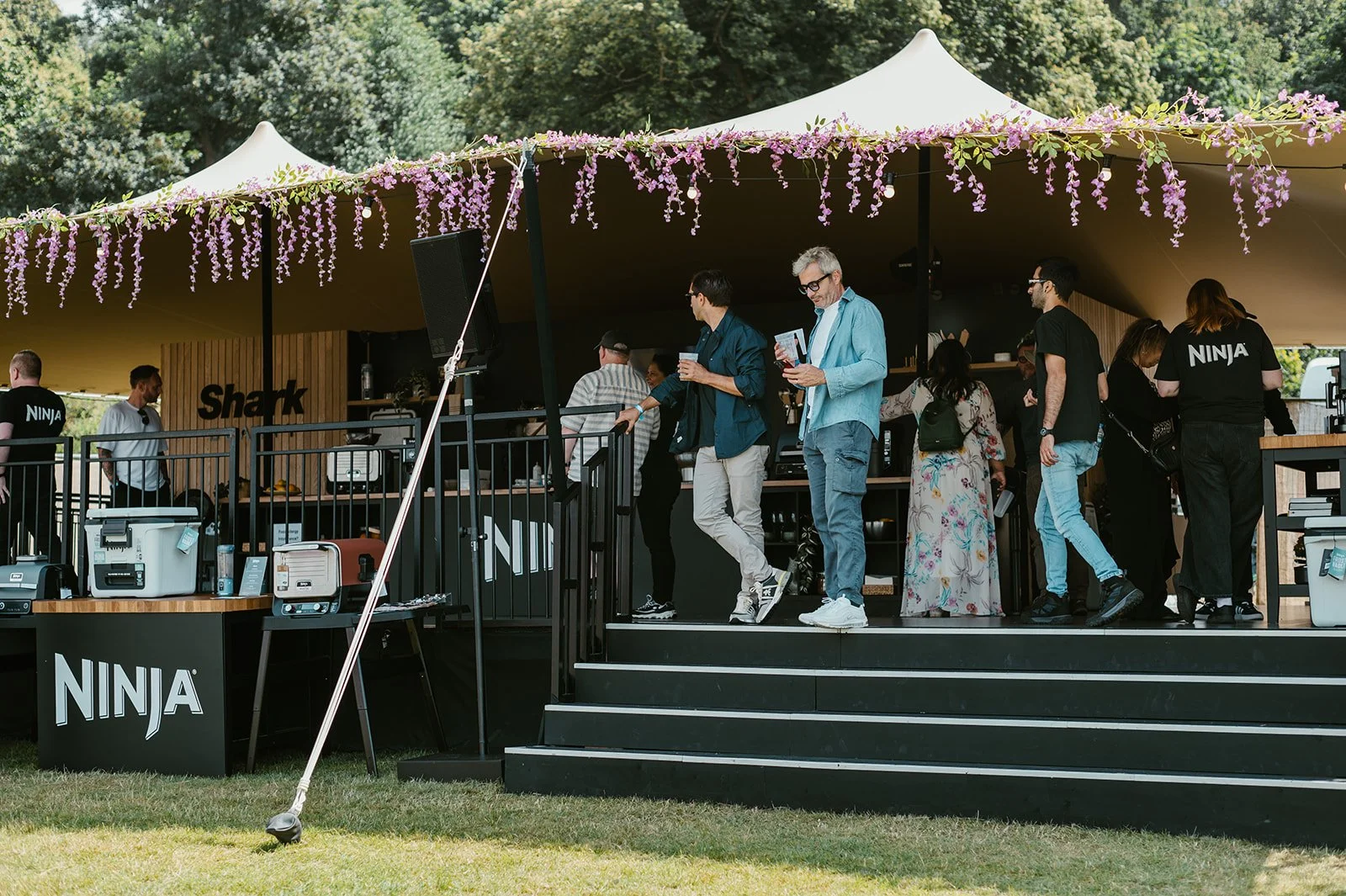
Brand activations can sometimes involve larger production costs because they may include custom installations, set builds, props, technology or interactive elements.
A live event may be simpler in production terms, although conferences, awards events and large corporate gatherings can also involve significant budgets.
For photography, the main factors are usually the length of coverage, number of photographers required, delivery requirements and how quickly images are needed.
Should photography be planned before a brand activation or event?
Yes. If the photographs will be used for marketing, photography should ideally be considered during the planning stage rather than added at the end.
Before the event, it helps to identify:
• what the images need to communicate • where the photographs will be used • which people or products are priorities • which areas of the event need coverage • which branding must be visible • whether any specific hero images are required • whether photographs need to work in different crops and formats • how quickly images need to be delivered
This allows the photographer to understand both the event and the marketing brief.
What should a photographer capture at a brand activation?
Brand activation photography should show both the experience itself and people's response to it.
That usually means photographing:
• the activation before guests arrive • the wider environment • branding and signage • products • installations • people interacting with the experience • expressions and reactions • creators or ambassadors • branded details • busy moments showing scale • quieter details that explain the concept • strong hero images for PR and marketing
The photographs should help someone who was not there understand both what happened and what the brand wanted people to experience.
What should a photographer capture at a live event?
Live-event photography should create a complete visual story of the event rather than simply producing photographs of people standing together.
Useful coverage can include:
• venue and establishing photographs • branding • speakers • panels • audience reactions • networking • client interactions • key guests • sponsors • entertainment • food and details • team photographs • important announcements • candid moments • atmosphere
The final gallery should give the marketing team enough variety to use the photographs across several different channels.
Can one event be both a brand activation and a live event?
Absolutely.
Many modern events sit somewhere between the two.
A product launch might include an immersive activation alongside networking, speakers and entertainment.
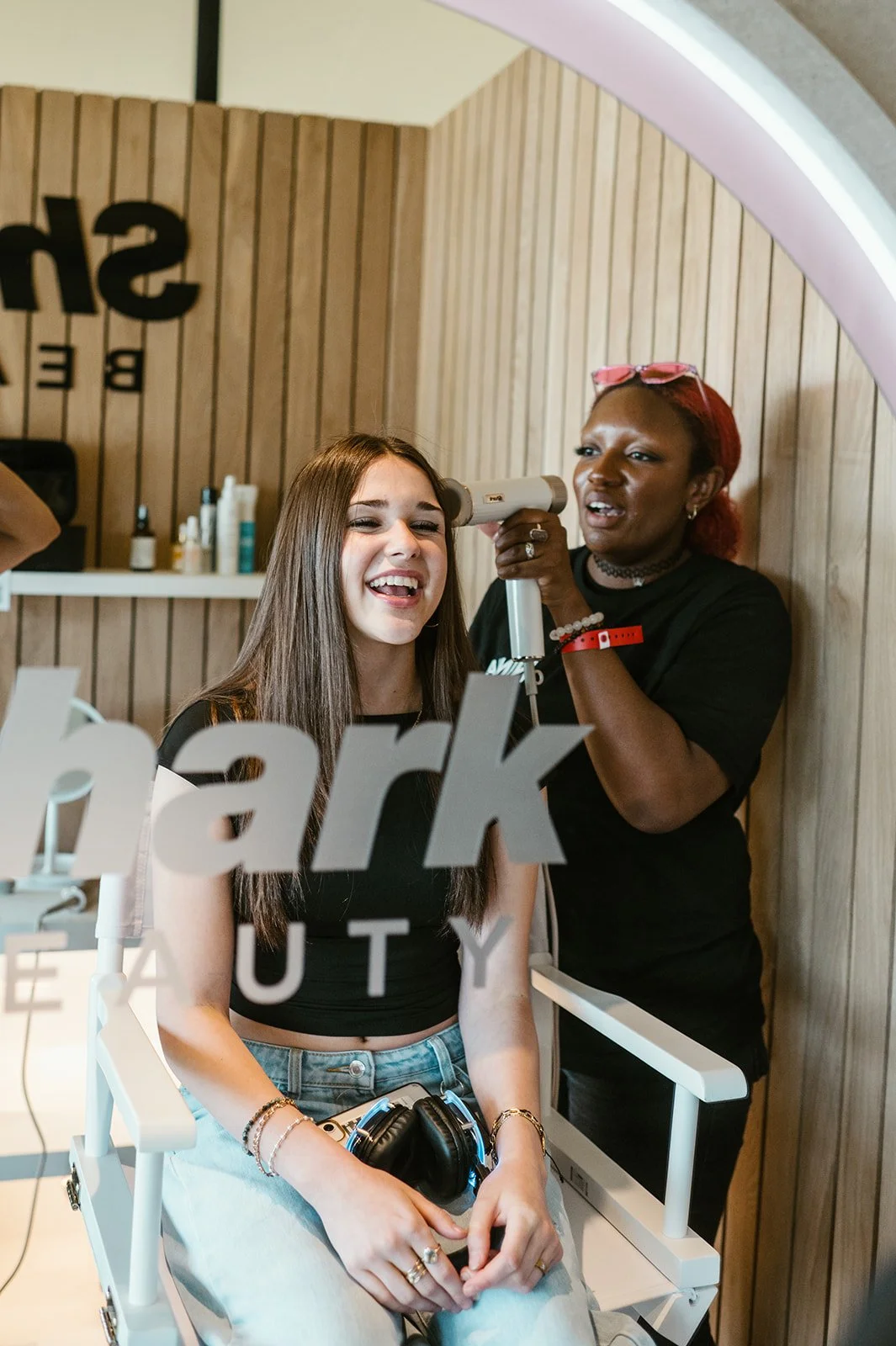
A creator event might involve product interaction, branded installations and a live programme.
A corporate event might include an activation designed specifically to introduce guests to a new campaign or service.
The labels matter less than understanding the objective.
The more useful question is:
What do you want people to experience, and what do you want your marketing to be able to show afterwards?
How can event photography continue working after the event?
The most valuable event photography should keep working long after the venue has emptied.
A strong gallery can provide content for:
• social media • press and PR • LinkedIn • company websites • newsletters • internal communications • case studies • sponsor reports • advertising • future event promotion • speaker promotion • recruitment • brand presentations
This is why I think of event photography as a marketing asset rather than simply event documentation.
When the images are planned around future use, one event can create months of useful visual content.
Brand activation or live event: which should you choose?
Choose a brand activation if your main objective is to get people interacting directly with a product, campaign or brand experience.
Choose a live event if your main objective is to bring people together around networking, education, entertainment, community or conversation.
And choose a combination of the two if you need both.
The most important thing is to start with the marketing objective rather than the event format.
Ask:
What do we want people to remember?
What do we want them to do?
What story should the photographs tell afterwards?