How to Get Event Photography You Can Actually Use for PR and Marketing
You can hire a great event photographer, receive hundreds of beautifully captured images and still discover that only a handful are suitable for your next press release, campaign or marketing post.
Having worked closely with brands and marketing teams, I've heard this frustration repeatedly.
The problem isn't necessarily the quality of the photography. It's that documenting an event and creating imagery for marketing aren't quite the same thing.
As a London event photographer who also works in personal branding and portrait photography, I think about both.
I want to capture what the event genuinely felt like, but I'm also looking for the polished images that can represent the brand long after the event has finished.
What makes an event photograph useful for PR and marketing?
A strong marketing image needs to communicate quickly.
Someone who wasn't at the event should be able to look at the photograph and understand something about the people, brand, atmosphere or experience.
That means thinking beyond simply recording who attended.
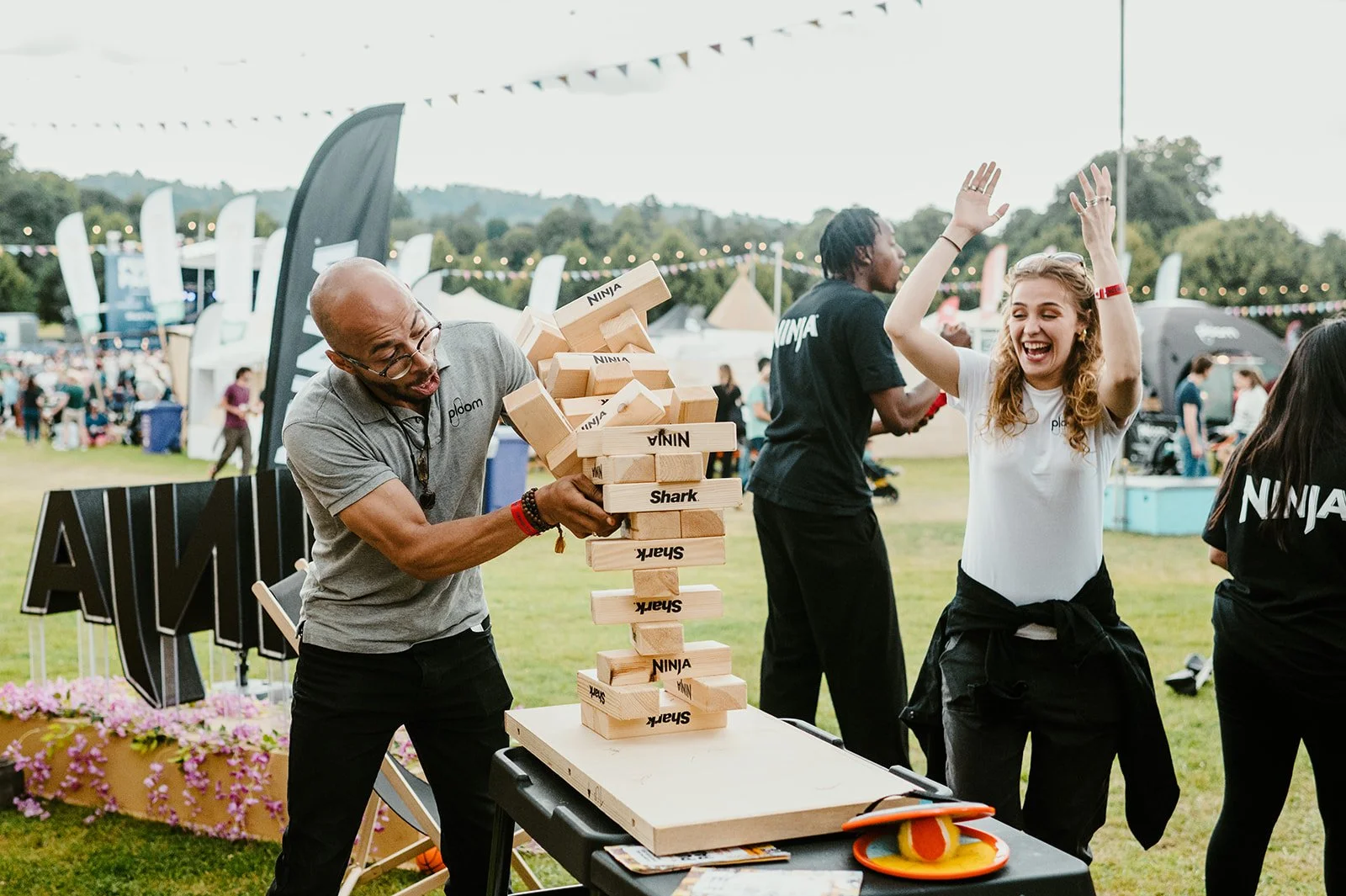
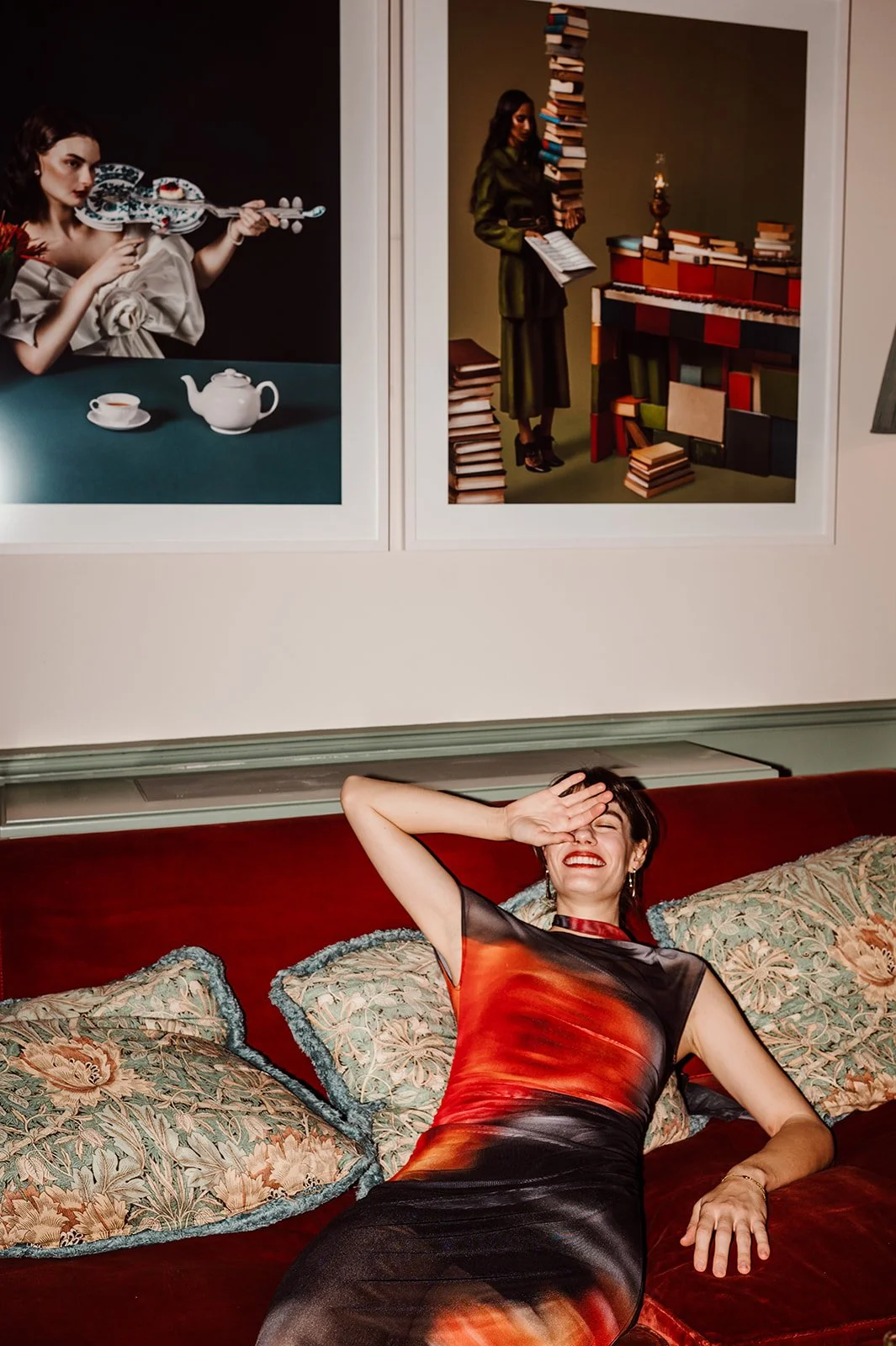
For PR and marketing, I look for photographs with strong composition, genuine interaction, clean backgrounds, recognisable people where relevant, visible branding and enough context to tell the viewer what is happening.
These are often the photographs that become the hero images from an event.
Why aren't all good event photographs good marketing photographs?
A photograph can be a lovely record of a moment without necessarily being strong enough to lead a press release or campaign.
There might be distracting elements in the background. The branding may not be visible. The composition might work as part of an event gallery but not as a standalone image. Or the photograph may simply not communicate enough about the brand or event when viewed out of context.
This is why I believe event photography should be approached with two things in mind:
What is happening now, and where might this photograph need to go next?
What should you include in an event photography brief?
Tell your photographer how you intend to use the photographs, not just what is happening at the event.
If your marketing team needs images for press, LinkedIn, Instagram, your website, internal communications or promotion for next year's event, say so.
It can change the way a photographer approaches the coverage.
It is also useful to identify the people, partnerships, products, branding and moments that matter most to the organisation.
A good brief shouldn't prevent spontaneous photography. It should give the photographer enough understanding to recognise an important image when it happens.
What photographs should an event photographer capture?
Every event is different, but a useful event gallery will usually need a mixture of images.
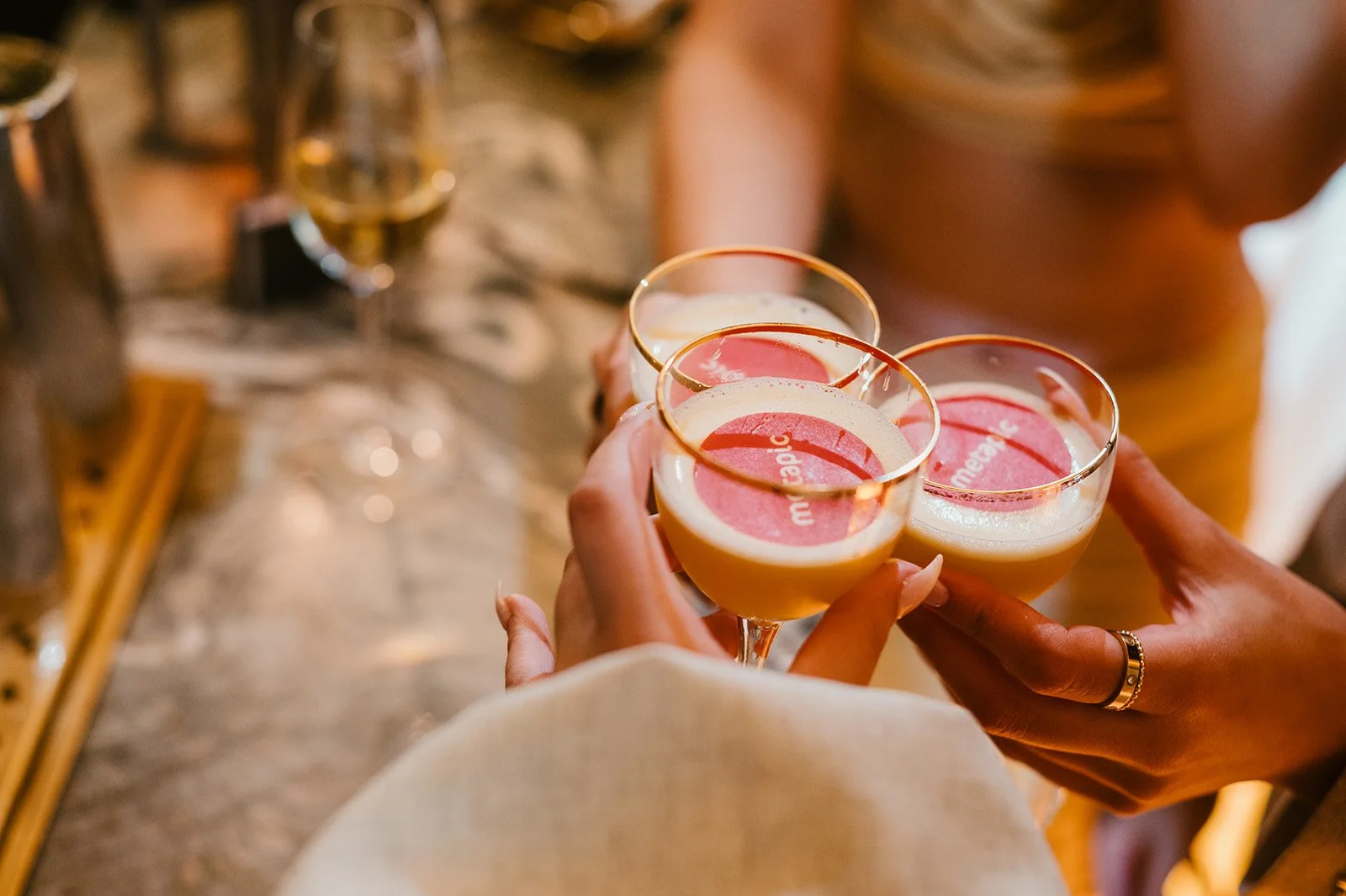
That might include establishing photographs of the venue, speakers, guests interacting naturally, important people and partnerships, details, signage, products, branded elements and wider photographs that communicate the scale and atmosphere of the event.
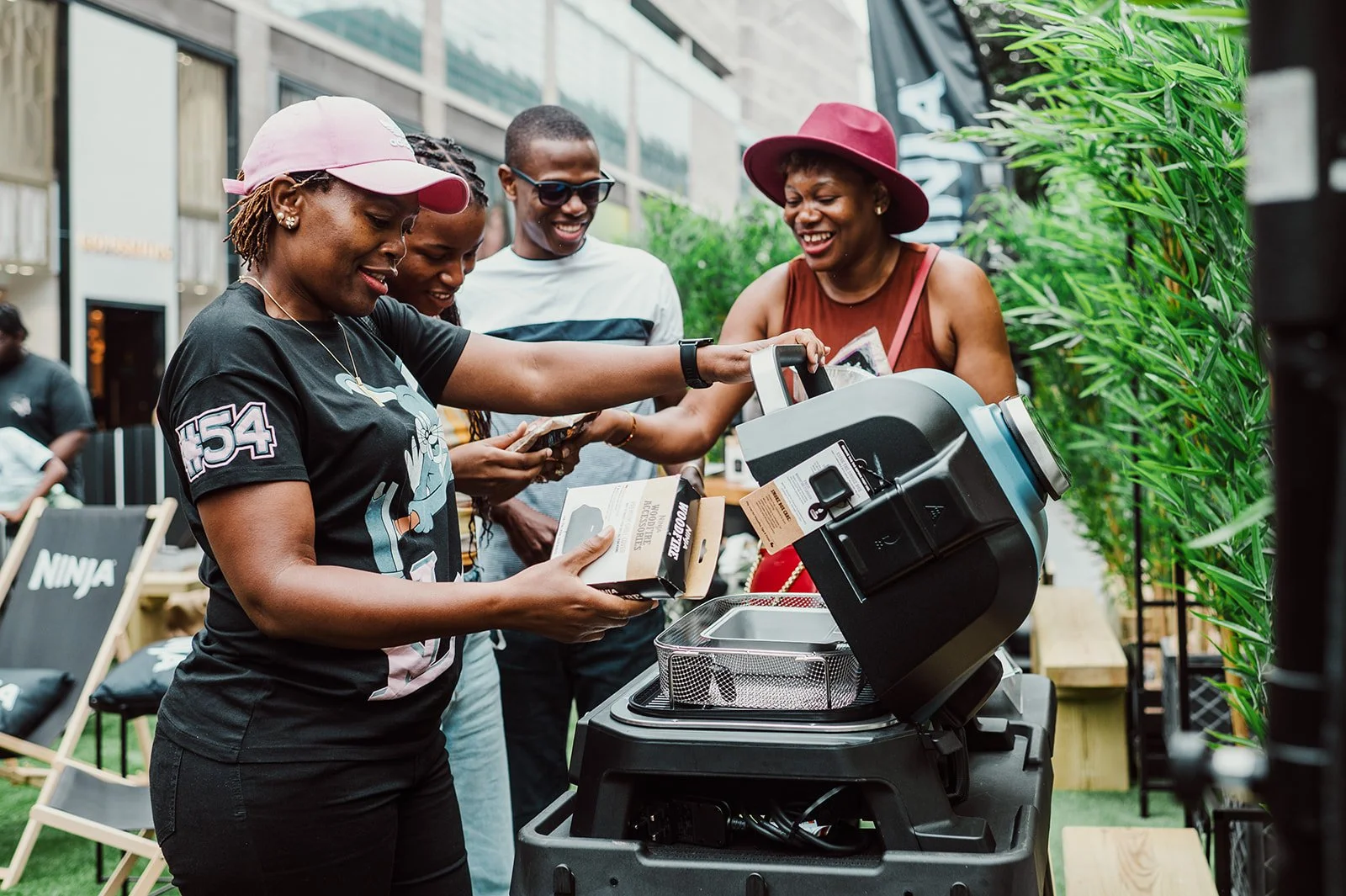
But I also look for something else: the polished hero shots.
These are the images with the composition, expression, branding and visual impact to work outside the gallery on their own.
They are often the photographs a marketing or PR team comes back to again and again.
How important is branding in event photography?
Branding matters, but that doesn't mean every photograph needs a logo prominently displayed in the background.
Good brand photography is more subtle than that.
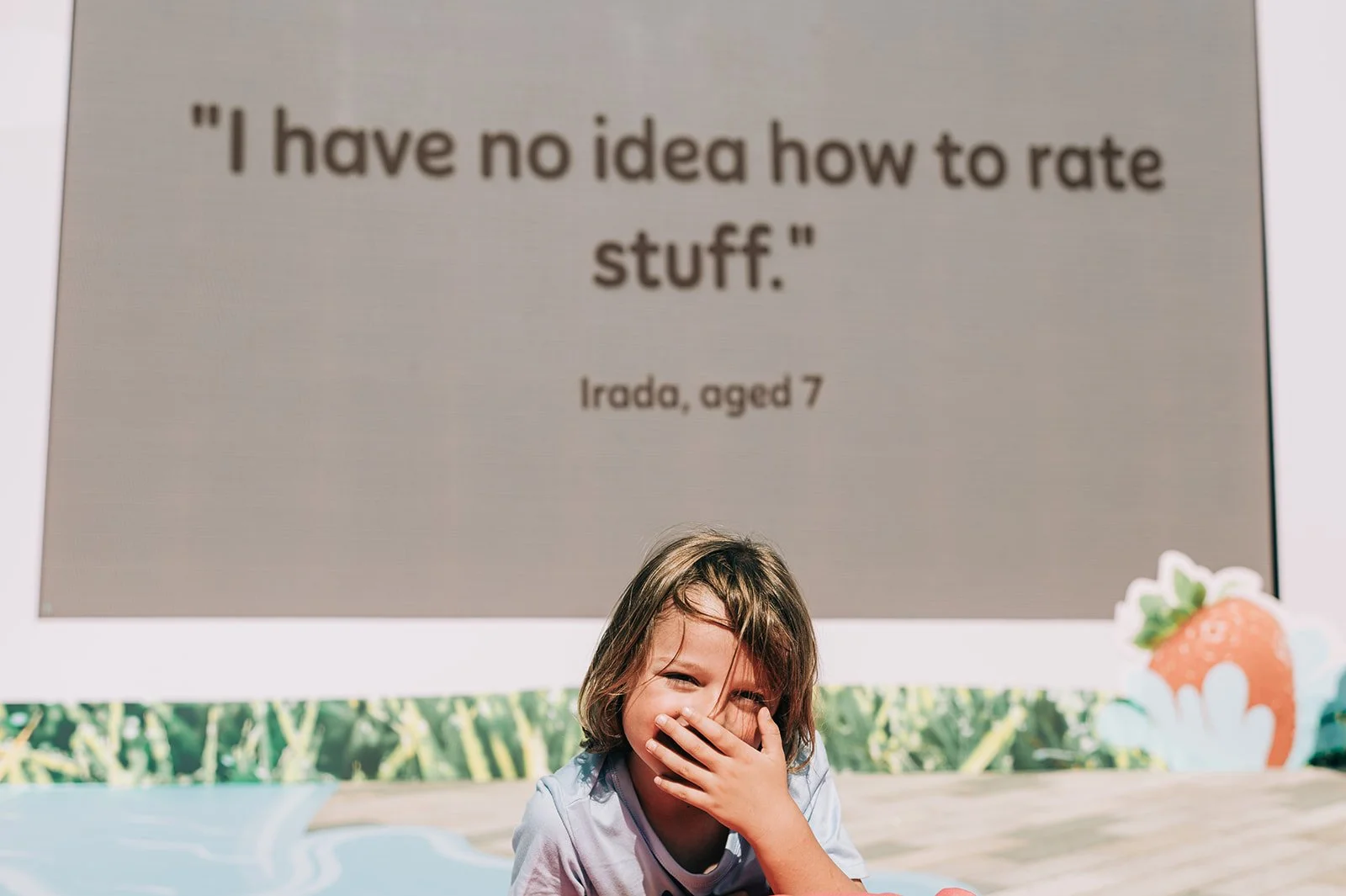
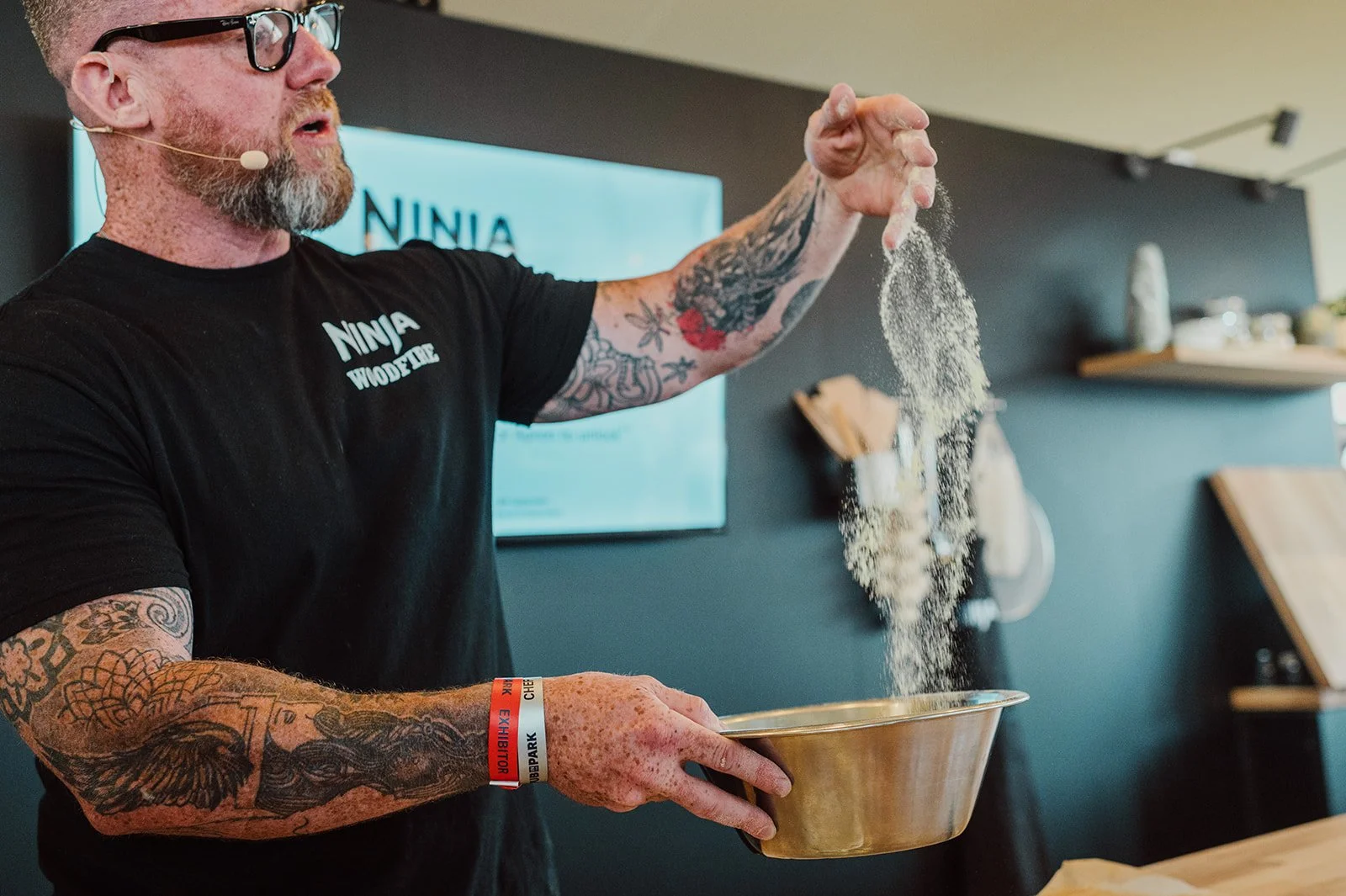
The environment, people, styling, signage, colours, products and interactions can all help communicate the identity of the brand.
My background in branding photography has made me particularly conscious of this. I'm not simply looking at the person or moment in front of me. I'm considering what the whole frame communicates about the organisation behind the event.
Is candid or posed event photography better for marketing?
You usually need both.
Natural photographs are incredibly valuable because they show genuine interaction, emotion and atmosphere. They help people imagine what it felt like to be there.
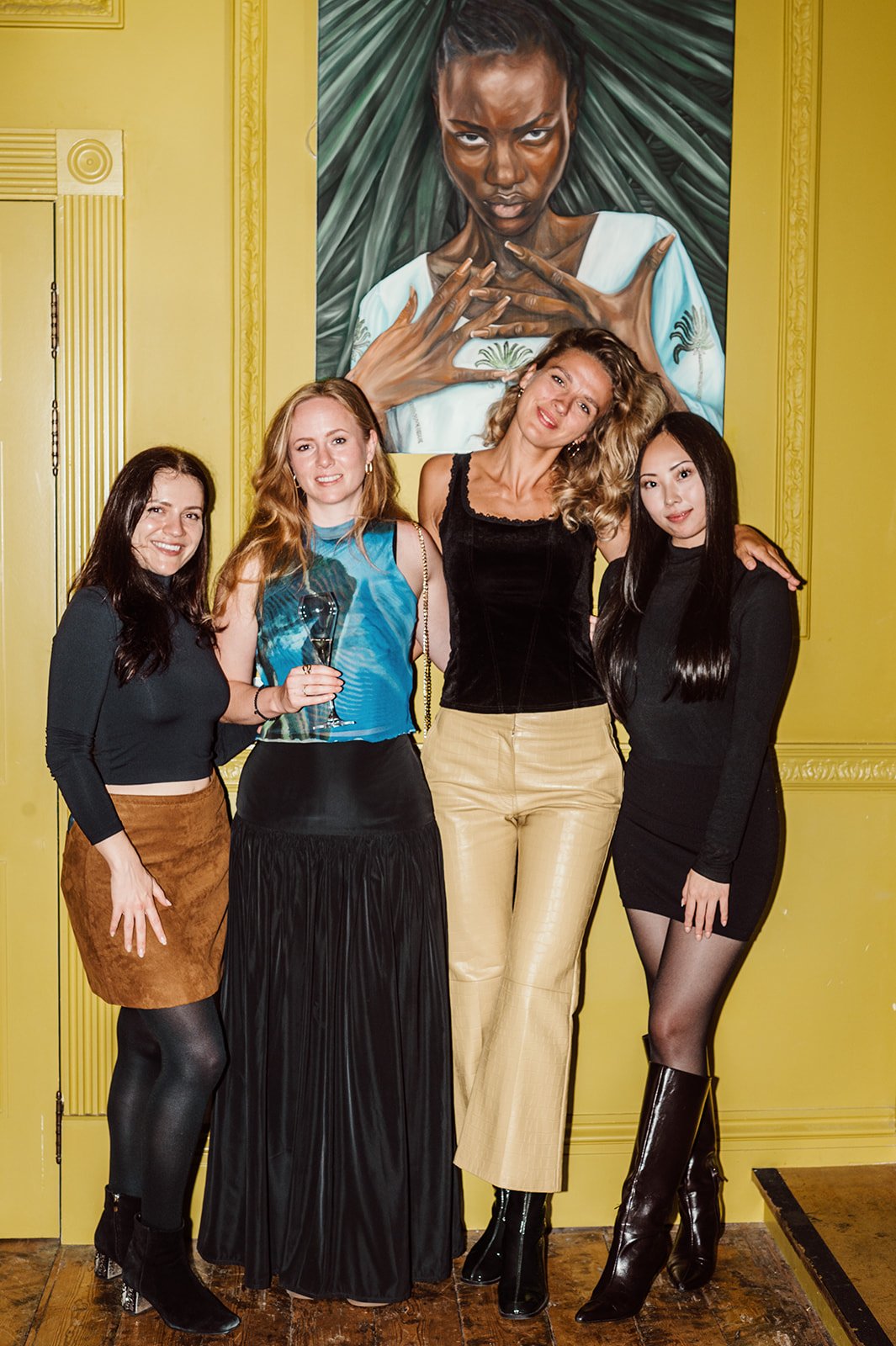
But there are moments when taking a little more control can create a much stronger marketing photograph.
That doesn't necessarily mean formal line-ups or stiff poses. It might mean moving slightly for a cleaner background, bringing important people together, finding better light or creating a strong portrait while someone significant is available.
My approach is predominantly natural and unobtrusive, but I don't believe being unobtrusive means a photographer should never intervene.
If I can see an opportunity to create an image that will be particularly valuable to the brand, I'll take it.
What makes a strong PR event photograph?
A strong PR photograph should make sense without needing the rest of the event gallery around it.
It should be technically polished, visually clear and communicate something worth publishing.
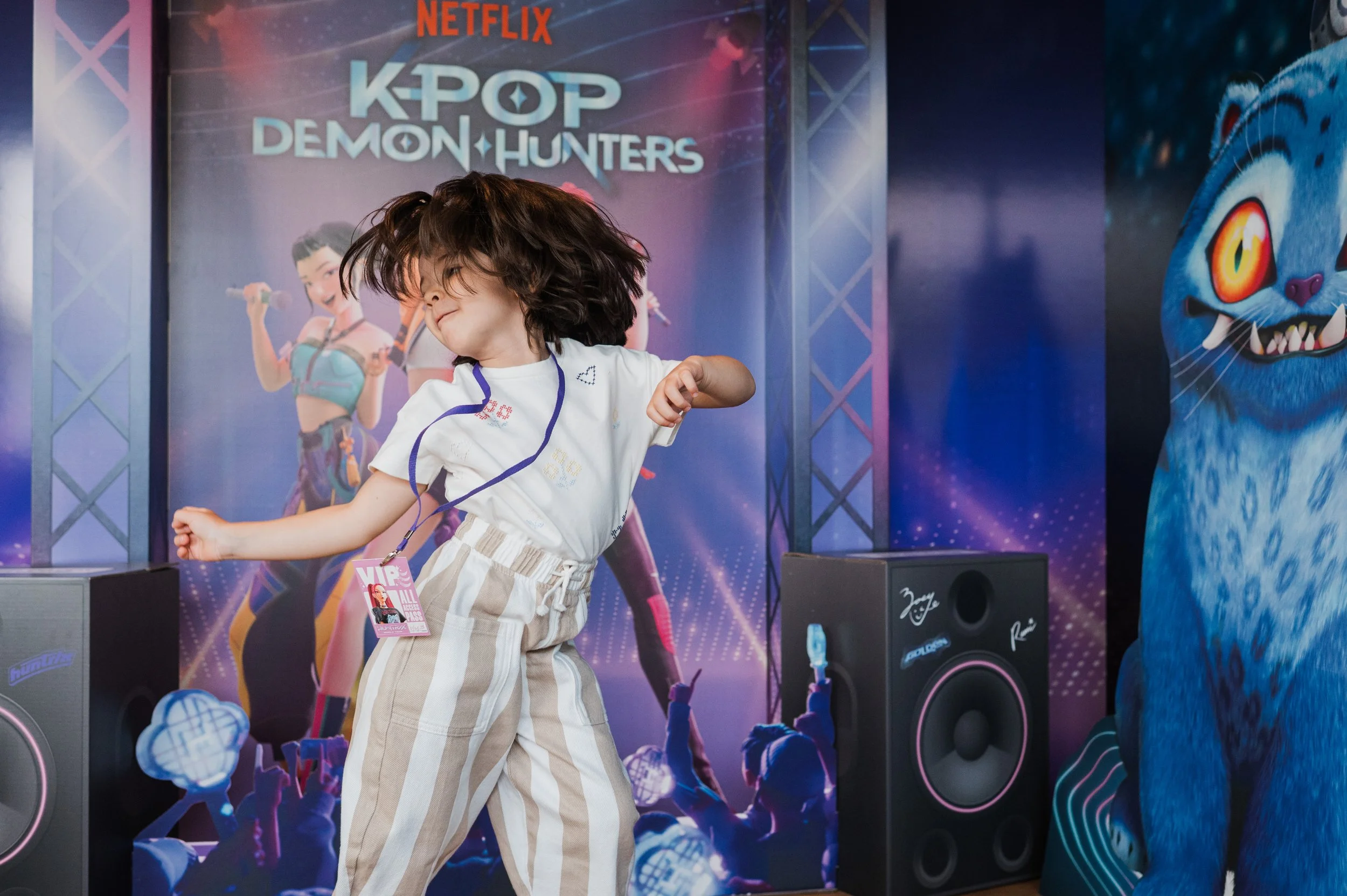
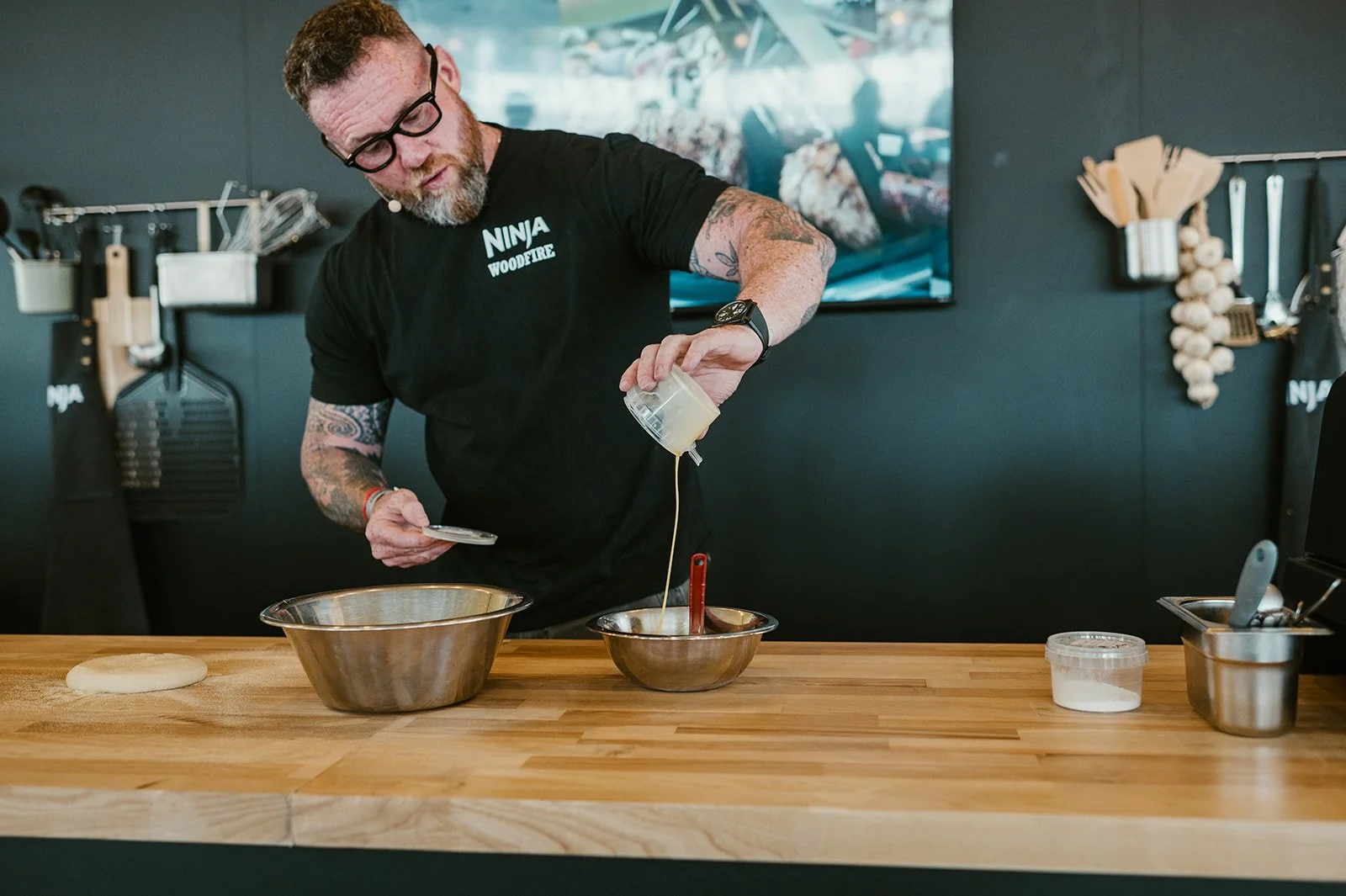
Depending on the event, that could be an important person interacting with guests, a partnership captured with both brands represented, a beautifully composed photograph of an activation or a natural moment that communicates exactly what the event was trying to achieve.
The important question isn't simply:
“Is this a good photograph?”
It's also:
“Could the brand actually use this photograph?”
How quickly should event photographs be delivered for PR?
Sometimes the value of an event photograph is time sensitive.
If an image is needed for press, social media or communications immediately after an event, waiting for the entire gallery may not be practical.
That's why it's important to discuss turnaround with your photographer before the event. If priority images are required quickly, identify this in the brief so the photographer can plan for it.
For events where fast turnaround is important, I can provide a priority selection for PR and social media when this is arranged in advance.
How can event photographs be used after the event?
A well-planned event gallery can continue working for a brand long after the event itself.
Images can be used across PR, websites, social media, newsletters, internal communications, presentations, case studies, partnership announcements and promotion for future events.
This is why I see event photography as more than documentation.
I create event imagery brands can actually use for PR, marketing and their next campaign.
For me, successful event photography captures what happened while also giving the marketing team a valuable library of images for what happens next.
Looking for an event photographer in London?
I'm Razia Jukes, a London event photographer photographing corporate events, brand activations, launches, networking events and PR events across London.
My approach combines natural, unobtrusive coverage with polished imagery created with the wider needs of the brand in mind.
I've photographed events for brands and organisations including Amazon Music, Audible, LEGO, MTArt Agency, innocent, Netflix, Tesco and PrettyLittleThing.
If you're planning an event and need photographs that can work beyond the event itself, you can explore my London Event Photography portfolio and approach.